
Silk vs Satin: What Is the Real Difference?
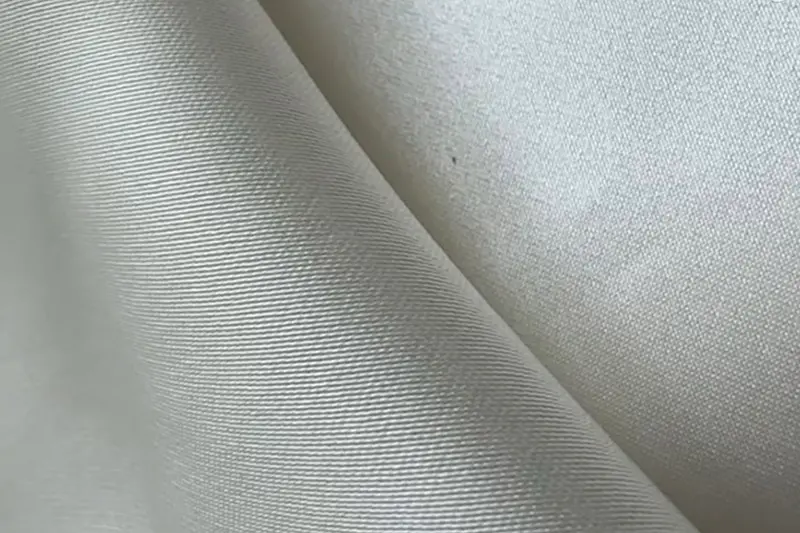
Silk and satin are often used as if they mean the same thing. They do not.
Silk is a fiber. Satin is a weave. A product can be made from silk satin, but it can also be made from polyester satin or another satin-woven material. That is why two “satin pillowcases” can feel different and cost very different amounts.
Before comparing prices, check this difference first.
- Silk is a fiber, while satin is a weave.
- A satin product is not automatically made from silk.
- For accurate quotes, confirm fiber content, weave, momme weight, product type, and labeling details.
The Short Answer
Silk describes what the fabric is made from. Satin describes how the fabric is woven.
| Term | What it means | Simple example |
|---|---|---|
| Silk | A natural protein fiber produced by silkworms | 100% mulberry silk fabric |
| Satin | A weave with a smooth, glossy surface | Silk satin, polyester satin, acetate satin |
| Silk satin | Silk fiber woven in a satin weave | Smooth silk fabric with a glossy face |
| Polyester satin | Polyester fiber woven in a satin weave | Smooth synthetic fabric with a glossy face |
If a product listing only says “satin,” it does not automatically mean silk.
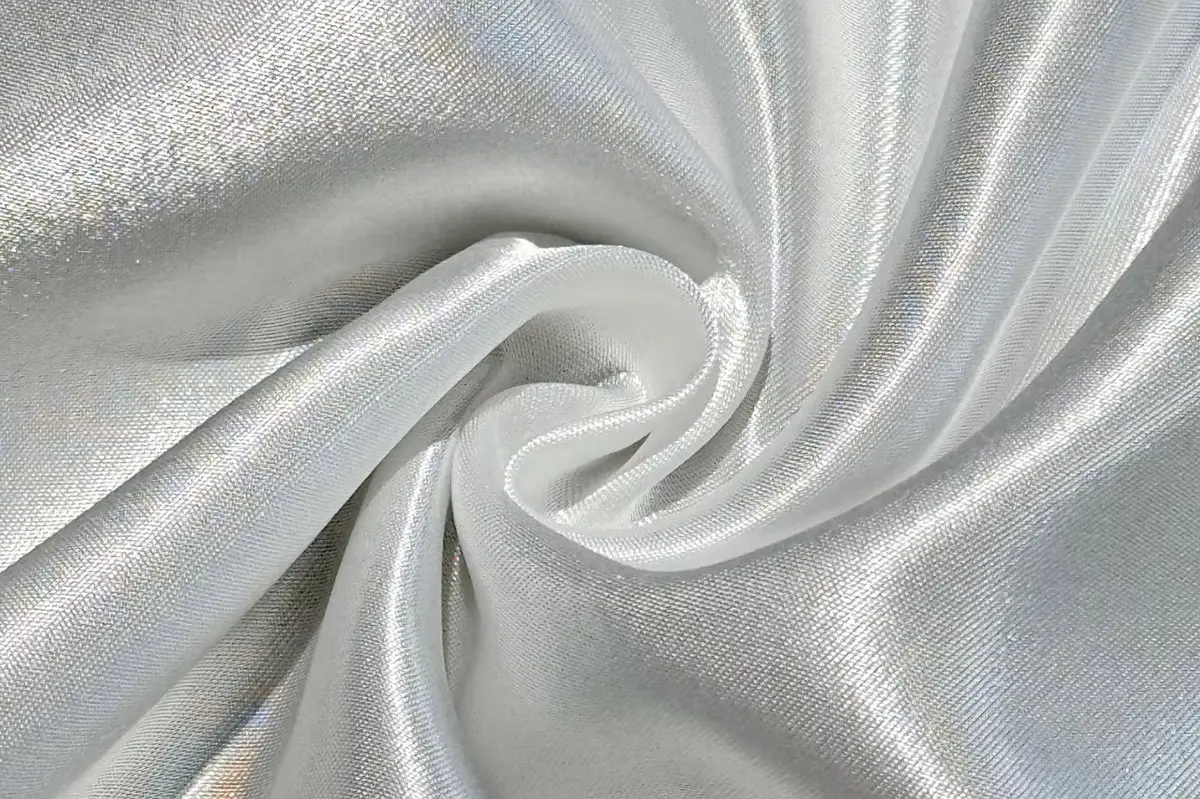
What Is Silk?
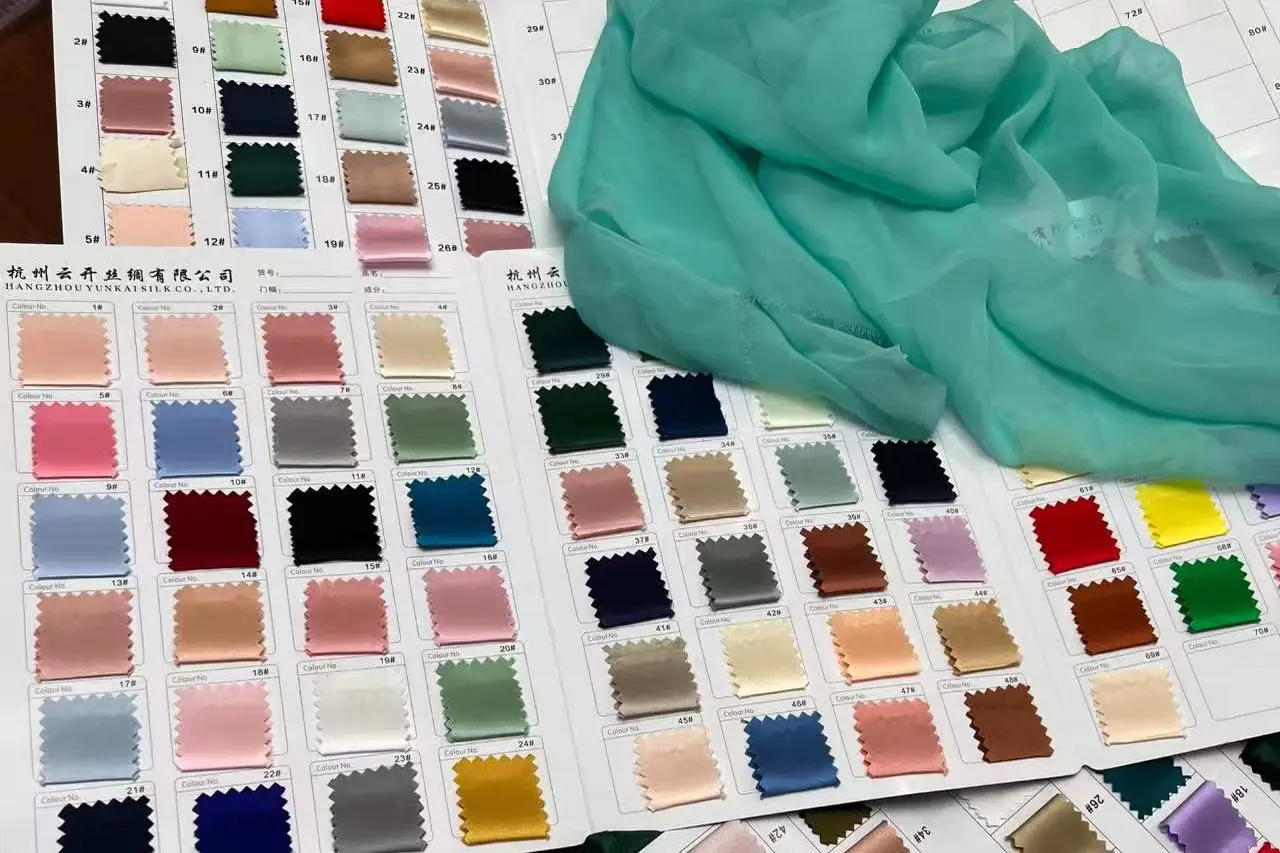
Silk is a natural fiber. In silk product manufacturing, buyers often ask for mulberry silk because it is commonly used for pillowcases, sleepwear, eye masks, scarves, and accessories.
Silk can be woven in different ways. It can become satin, twill, crepe de chine, chiffon, habotai, or other fabrics. Each weave changes the surface, drape, texture, and product use.
This is why “silk” alone is not enough for a clear quotation. A factory still needs to know:
- Fiber content, such as 100% silk or a silk blend.
- Weave, such as satin, twill, or chiffon.
- Momme weight, such as 16, 19, 22, or 25 momme.
- Color or print method.
- Product type and construction.
In sample review, we check more than the smooth surface. We look at fabric weight, light reflection, weave structure, hand feel, cutting behavior, and whether the fabric works for the product.
What Is Satin?
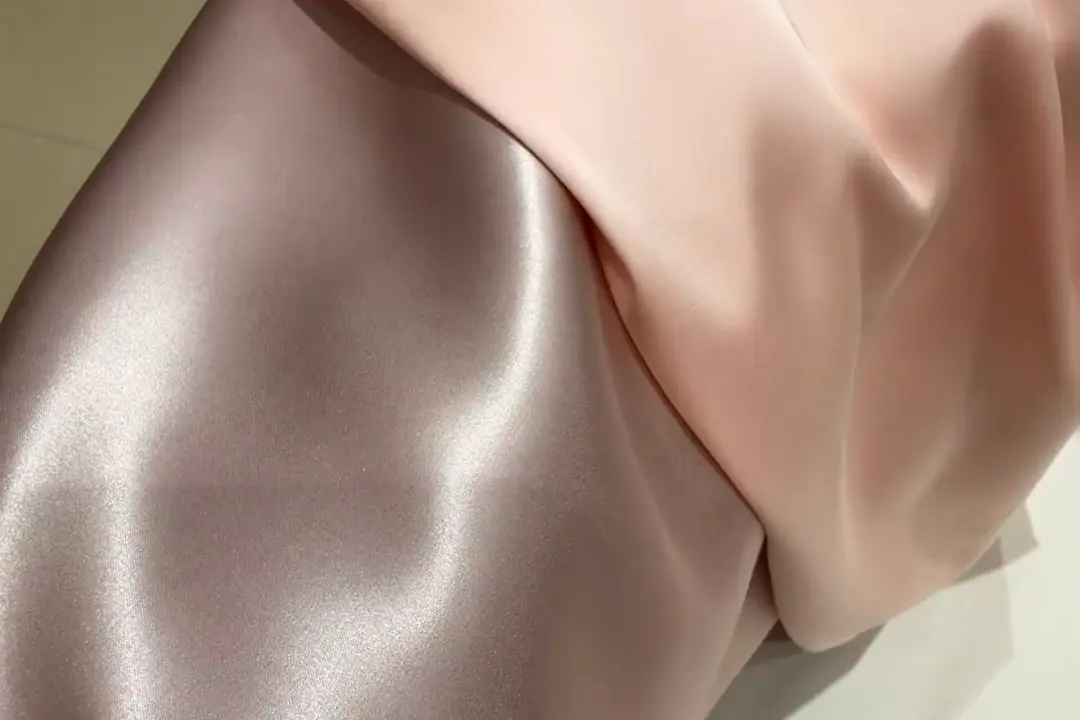
Satin is a weave structure. It usually has a smoother and shinier face, with a duller back side. This surface is the reason many people connect satin with pillowcases, sleepwear, evening wear, and scarves.
But satin does not tell you the fiber content.
A satin fabric may be made from:
- Silk
- Polyester
- Acetate
- Nylon
- Blended fibers
This is the most common misunderstanding. A customer may ask for a “satin pillowcase” and expect silk, while a supplier may quote polyester satin unless the fiber content is clearly stated.
What Is Silk Satin?
Silk satin means the fabric uses silk fiber and a satin weave. It usually has a smooth surface, soft drape, and a glossy face.
For products such as pillowcases, sleepwear, robes, and eye masks, silk satin is often chosen because the surface feels smooth against skin and hair. For scarves, silk satin can show color clearly, but it may feel different from silk twill or crepe de chine.
Silk satin still needs details before production:
- What momme weight should be used?
- Is it 100% mulberry silk?
- Is the fabric dyed or printed?
- Will it be used for pillowcases, sleepwear, scarves, or accessories?
- Does the product need washing labels, packaging, or private label trims?
Without these details, “silk satin” is still too broad for an accurate bulk order. If the weight is unclear, start with what momme means in silk fabric before confirming the fabric specification.
What Is Polyester Satin?
Polyester satin is satin-woven polyester fabric. It can look smooth and shiny, and it is usually less expensive than silk satin.
It may be suitable for some budget-sensitive projects, costumes, decorative packaging, or promotional products. But it should not be described as silk. If a product is polyester satin, the label and product description should say so clearly.
For buyers, the main issue is not whether polyester satin is “bad.” The issue is whether the material matches the customer expectation, price point, and product claim.
Silk vs Satin: Key Differences Buyers Should Know
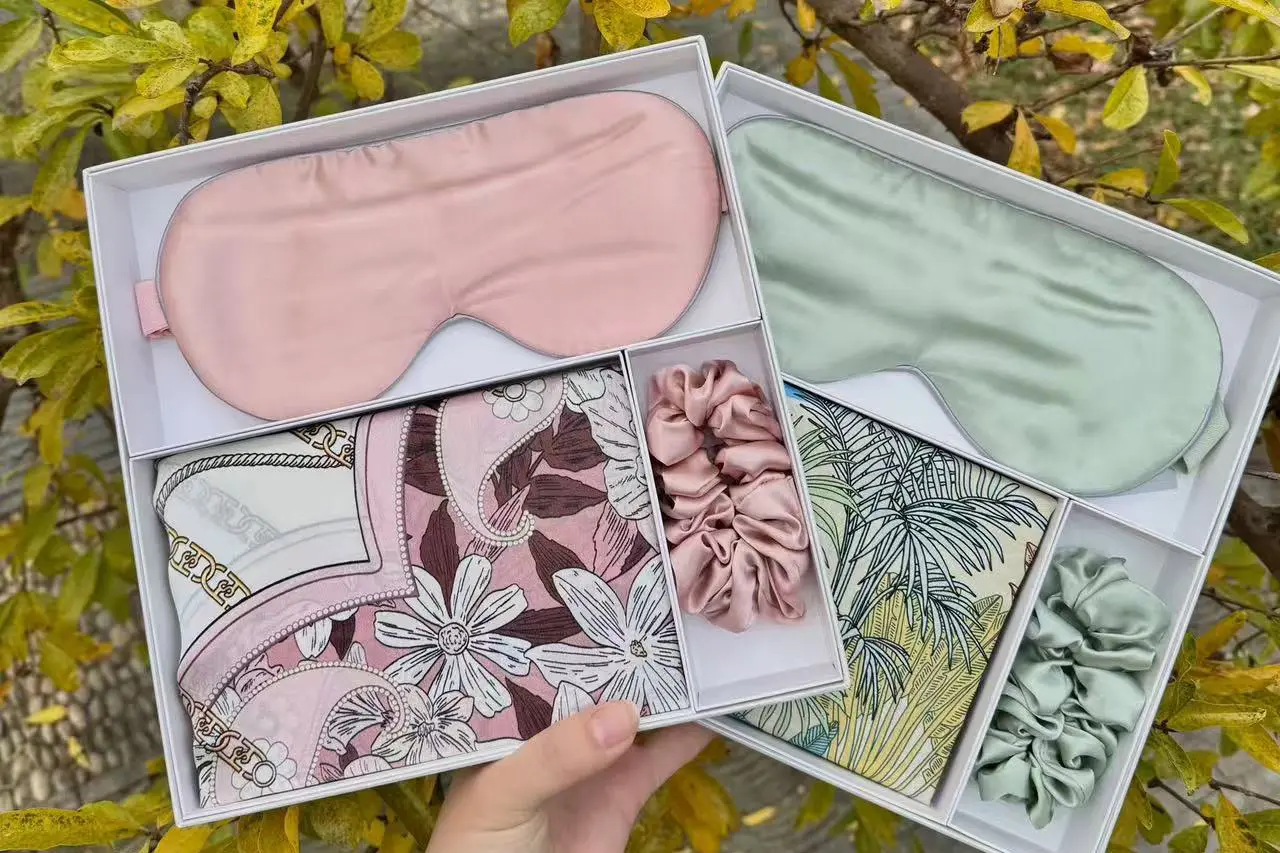
| Question | Silk | Satin |
|---|---|---|
| Is it a fiber or a weave? | Fiber | Weave |
| Can it be natural? | Yes, silk is a natural fiber | Satin can be natural or synthetic depending on fiber |
| Does the word confirm fiber content? | Yes, if accurately labeled | No |
| Can it be made from polyester? | No, polyester is a different fiber | Yes, satin can be polyester |
| Does it always have a glossy face? | Not always. It depends on the weave | Usually yes |
| Is it enough for quotation? | No. Need weave, momme, product details | No. Need fiber content and product details |
The safest habit is to write the fiber and the weave separately.
Instead of asking only for “satin pillowcases,” ask for “100% silk satin pillowcases” or “polyester satin pillowcases,” depending on what you actually want.
Why This Difference Affects Price
Silk satin and polyester satin can both look smooth in photos, but the cost structure is different.
Silk fiber is more expensive than polyester fiber. Momme weight also affects silk cost because heavier silk uses more fiber. Dyeing, printing, sewing, packaging, and quality control also change the final price. Material choice can also affect the planning logic explained in a custom silk products MOQ guide.
This is why a low-cost “satin” quote may not be for silk at all.
Before comparing supplier prices, check whether every quote uses the same:
- Fiber content
- Momme weight
- Fabric weave
- Product size
- Printing or dyeing method
- Packaging details
- Order quantity
If these details are not the same, the prices are not really comparable.
How to Read Product Descriptions
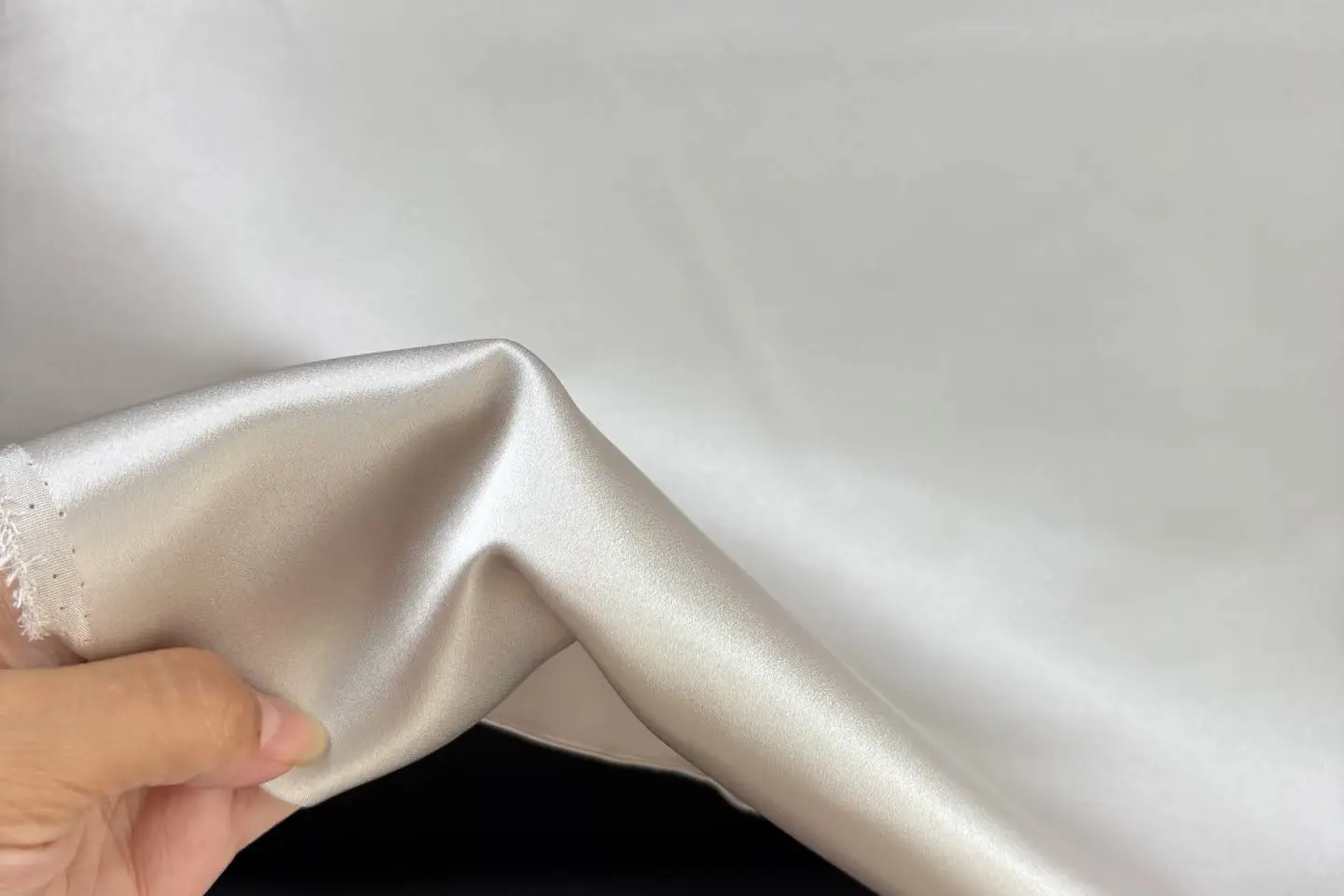
Product wording can be confusing. Here are common terms and what they usually mean.
| Product wording | What to check |
|---|---|
| Satin pillowcase | Ask what fiber is used. It may be polyester satin. |
| Silk-like satin | Usually not silk. Ask for fiber content. |
| 100% silk satin | Check momme, silk type, and care label. |
| Mulberry silk satin | Check momme, grade claim, and supplier documents if needed. |
| Charmeuse silk | Often refers to a soft silk satin fabric. Confirm weight and use. |
| Satin weave silk | Silk fiber woven in satin structure. Confirm momme and finishing. |
If the description is unclear, ask before ordering. A few questions at the start can prevent the wrong sample later.
Questions to Ask a Supplier
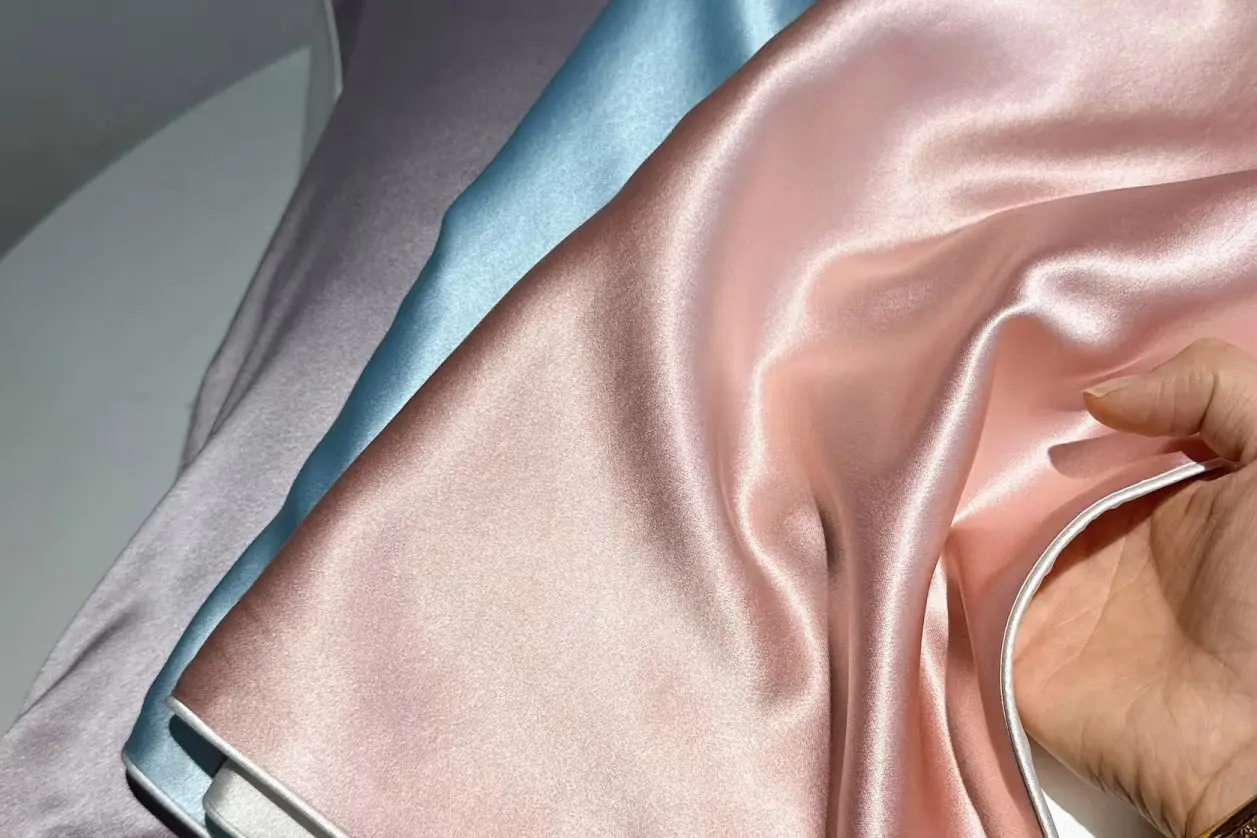
Before confirming a silk or satin order, ask:
- Is the fabric 100% silk, polyester, or a blend?
- If it is silk, what momme weight is it?
- Is it mulberry silk?
- What weave is used?
- Can the fabric content be shown on the care label?
- Can I review a fabric sample before bulk production?
- Will the final product be dyed, printed, embroidered, or packaged?
For B2B projects, we normally prefer clear material wording before sampling. If a buyer says only “satin,” the first thing to confirm is fiber content. Otherwise, both sides may be talking about different products. Before bulk production, it is also practical to review a silk sample before bulk production.
Common Mistakes to Avoid
The first mistake is assuming all satin is silk. Satin can be made from different fibers.
The second mistake is comparing a silk satin quote with a polyester satin quote as if they are the same product. They are not.
The third mistake is using unclear product wording. If a product is polyester satin, do not label it as silk. If it is silk satin, include the momme and fiber content clearly.
The fourth mistake is judging only by product photos. A glossy surface can look similar online, but the hand feel, weight, breathability, care, and price may be very different.
Which One Should You Choose?
Choose silk satin if the product position depends on real silk fiber, a smoother natural hand feel, and a material story that customers will care about. It is commonly used for silk pillowcases, sleepwear, eye masks, robes, and scarves. For a pillowcase project, the custom silk pillowcase collection can help connect material choice with size, closure, and packaging direction.
Choose polyester satin if the project is price-sensitive and the product does not need to be sold as silk. It may work for some decorative or promotional uses, but the product description should be clear.
For private label orders, the right choice depends on the target customer, retail price, care expectations, and how the product will be described after sale.
Closing
Silk and satin are not the same. Silk tells you the fiber. Satin tells you the weave.
The most useful way to avoid confusion is to write both details clearly: fiber content plus weave. For example, “100% mulberry silk satin, 22 momme” is much clearer than “satin.”
Clear material wording makes sampling, pricing, labeling, and production planning easier. For broader material planning, the custom silk fabric page can help you organize fiber, weave, momme, color, and printing requirements before sampling.
If you are not sure whether your project needs silk satin or polyester satin, start by confirming how the product will be sold and labeled. You can contact us when you are ready to review fabric content, sample direction, or private label details.
Author note: Written by the WiseSilk factory team, based on common material questions we see when buyers compare silk pillowcases, sleepwear, scarves, and gift products.