
Custom Silk Products MOQ Guide
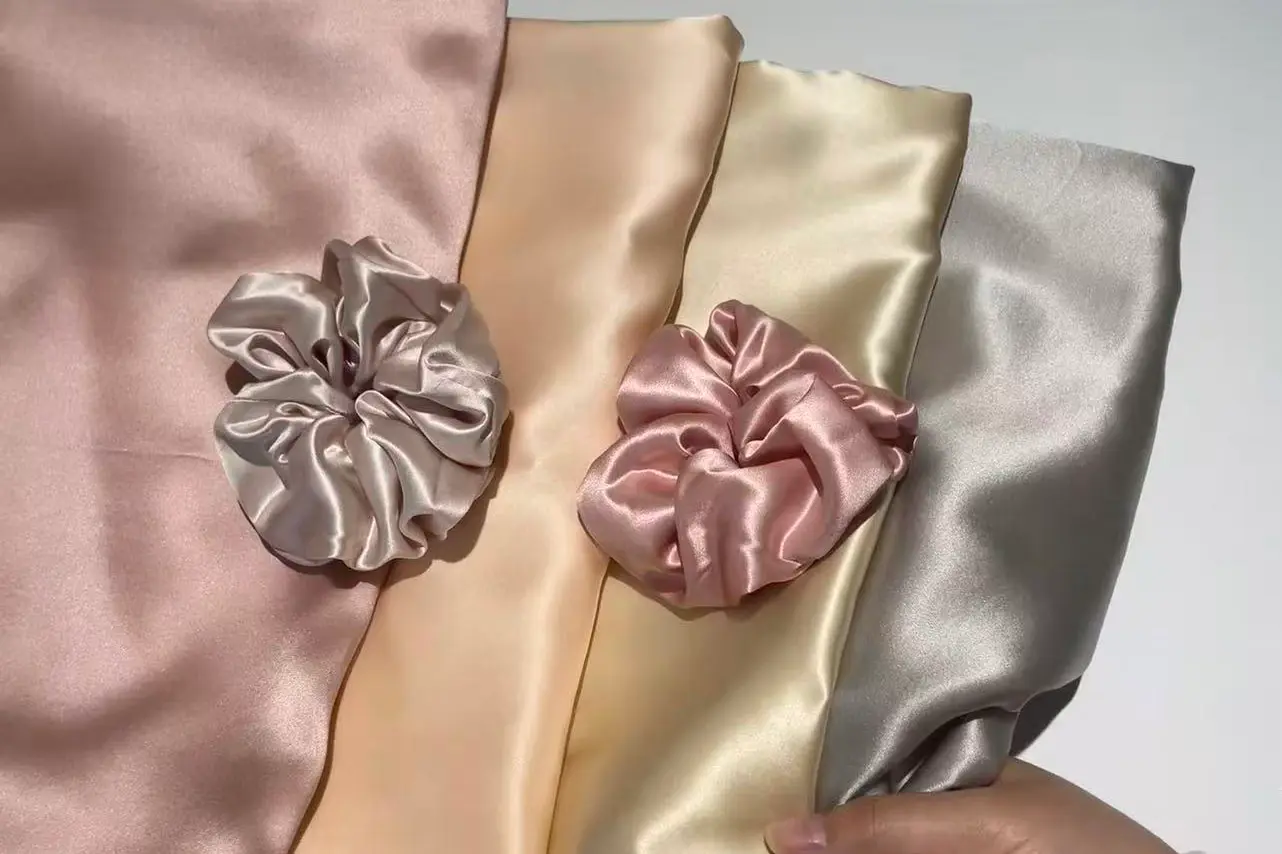
MOQ means minimum order quantity. For custom silk products, MOQ is the smallest quantity a factory can produce under a specific material, color, size, artwork, packaging, and production setup.
Many buyers ask one simple question: “What is your MOQ?”
The honest answer is: it depends on what needs to be customized.
A plain silk scrunchie in an available fabric may have a different MOQ from a printed silk scarf, a dyed silk pajama set, or a gift box with custom inserts. The product name matters, but the customization details matter more.
- MOQ is not decided by product name alone; fabric, color, print, trims, packaging, and setup all matter.
- Small custom orders often cost more per piece because setup work is spread across fewer units.
- A clear product brief helps the factory give a more accurate MOQ answer.
Why MOQ Exists
MOQ is not only a sales rule. In real production, MOQ is connected to setup work, material sourcing, cutting efficiency, printing or dyeing preparation, sewing workflow, packaging production, and quality control.
For silk, small changes can create extra setup work. A new color, a new print, a new size, or a custom box may need separate preparation before production starts.
This is why a factory may be able to make a low quantity for one simple product but need a higher quantity for another product with more custom details.
The Main Factors That Affect MOQ
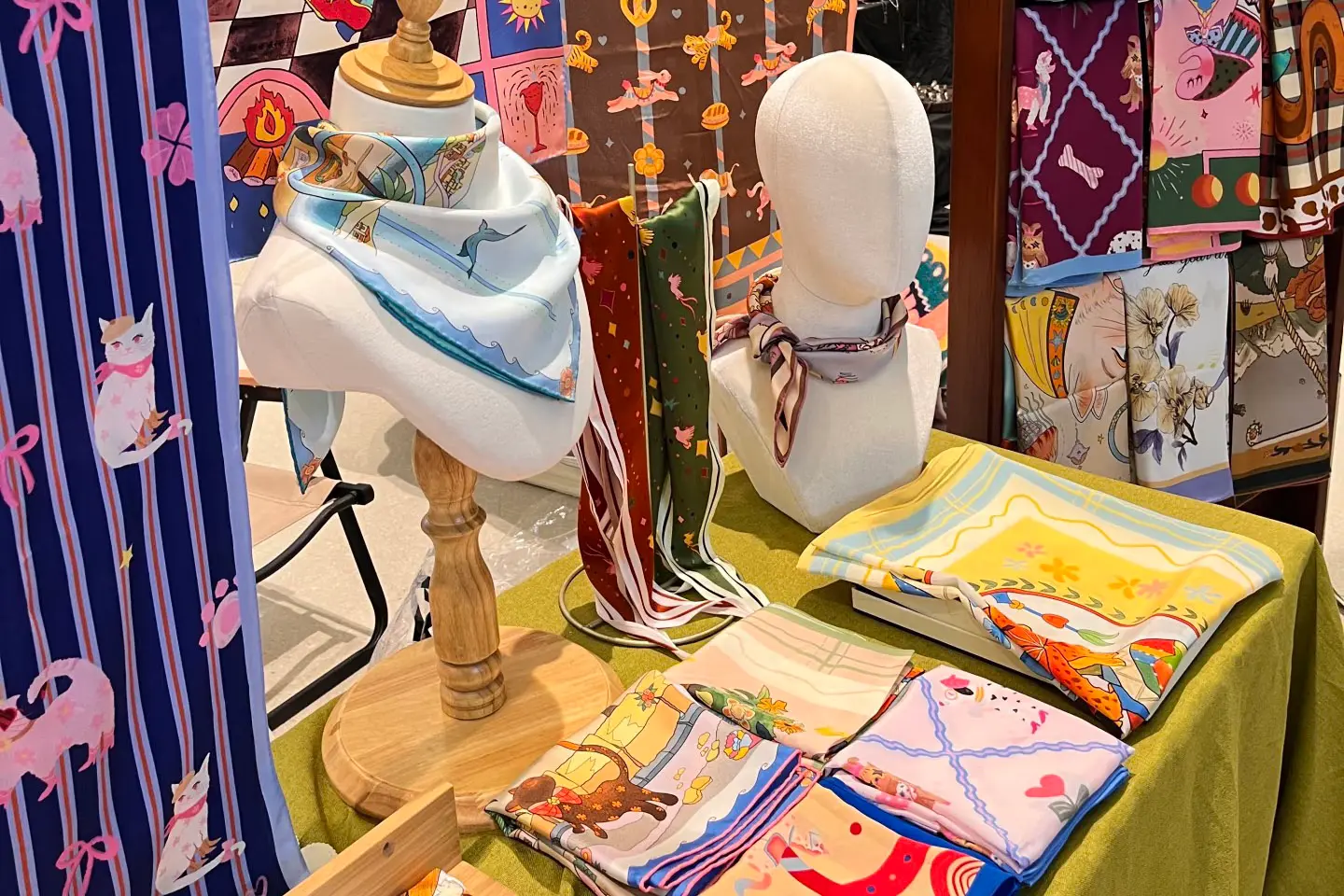
| Factor | Why it affects MOQ | What buyers should prepare |
|---|---|---|
| Fabric type | Some silk fabrics are easier to source than others | Fabric name, momme, weave, color need |
| Color | Custom dyeing often needs setup and batch control | Pantone or color reference |
| Printing | Digital, screen, placement, and repeat prints need different preparation | Artwork file, print size, color count |
| Product size | Different sizes affect fabric usage and cutting layout | Exact size or size range |
| Product construction | Zippers, filling, piping, elastic, or lining add production steps | Construction reference or sample |
| Labels and trims | Custom labels, hang tags, and care labels may have their own MOQ | Label artwork and material choice |
| Packaging | Boxes, pouches, sleeves, inserts, and stickers may need separate production | Packaging type and artwork |
| Order mix | Many colors or styles split the quantity into smaller batches | Quantity by color, size, and style |
MOQ becomes easier to estimate when these details are clear.
Fabric Availability
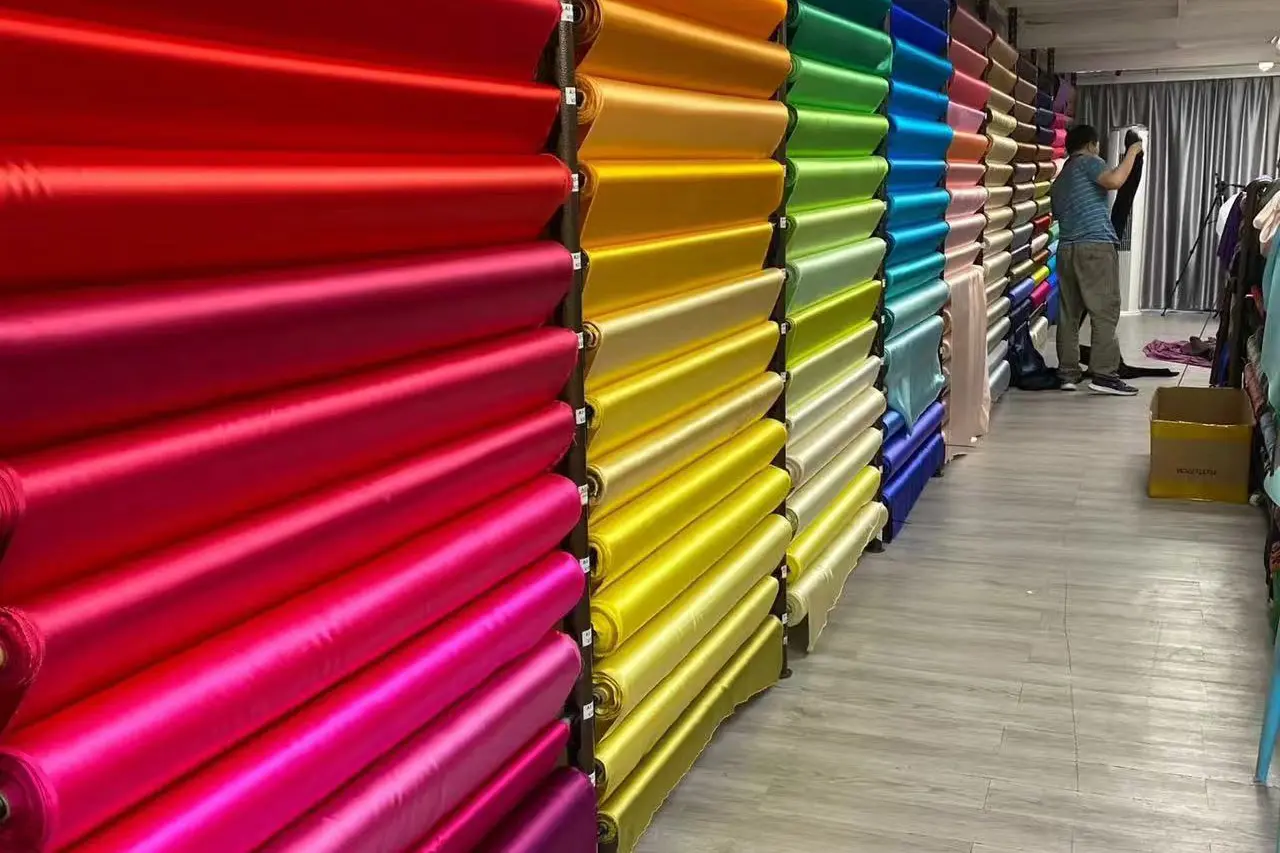
Fabric is one of the first MOQ factors.
If a suitable silk fabric is already available, the starting quantity may be easier to control. If the fabric needs custom weaving, custom dyeing, a special momme, or a less common weave, MOQ may increase. If the fabric weight is still unclear, first review what momme means in silk fabric.
For example, a standard silk satin in a common weight is usually easier to plan than a special fabric that needs to be developed or sourced separately.
Before asking for MOQ, prepare:
- Product type
- Silk weave, if known
- Momme weight, if known
- Color requirement
- Whether the fabric can use an available option
- Whether a custom fabric is required
If you are unsure about the fabric, ask for options instead of forcing a specification too early.
Color and Dyeing
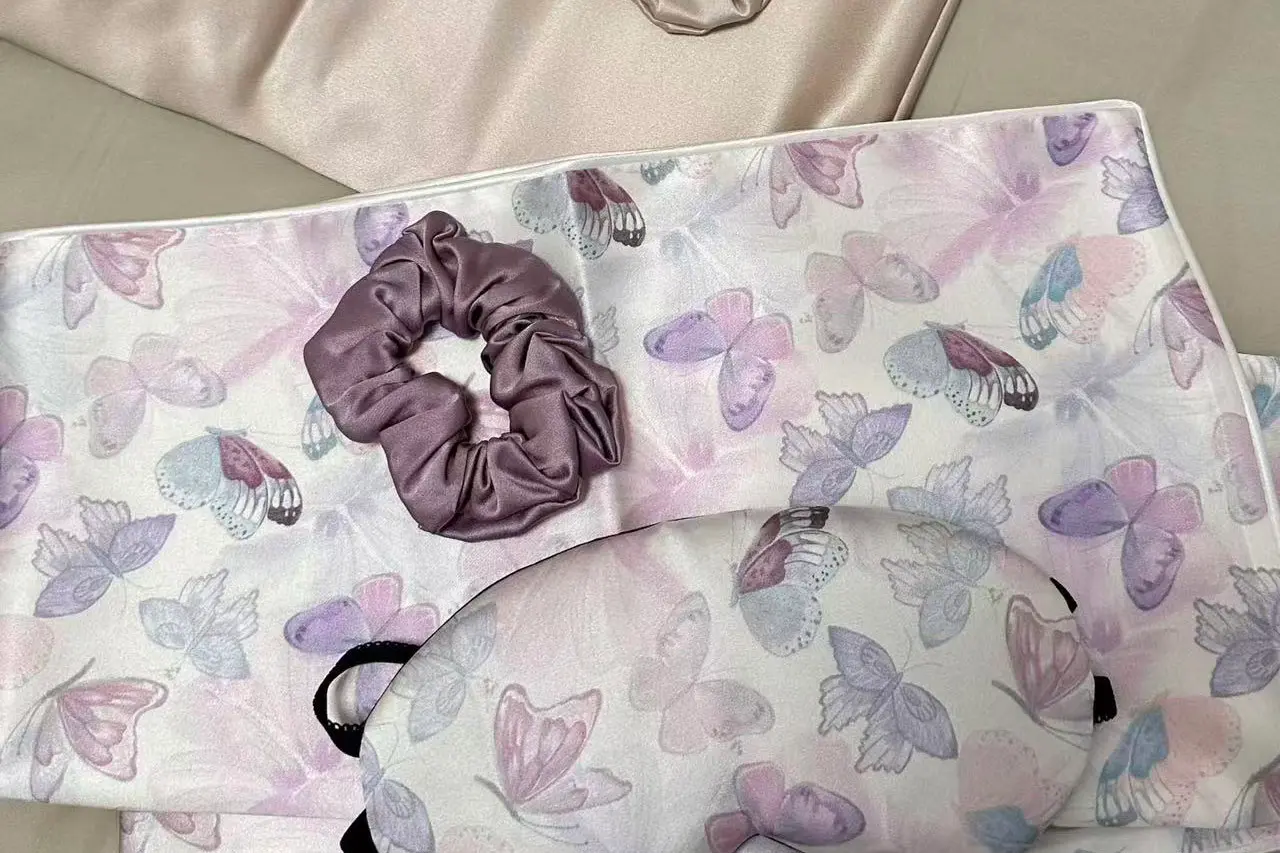
Color can change MOQ because dyeing is usually handled by batch. A custom color needs color matching, approval, and production control.
If one order includes many colors, each color may be treated as a separate production group. This can make the MOQ higher or make the unit cost less efficient.
For buyers, the important question is not only “Can you match this color?” It is also:
- How many colors are needed?
- How many pieces per color?
- Is an available color acceptable?
- Is Pantone matching required?
- Will the color be used on fabric, print, label, or packaging?
For early-stage brands, reducing the number of colors can often make the first order easier to manage.
Printing Method
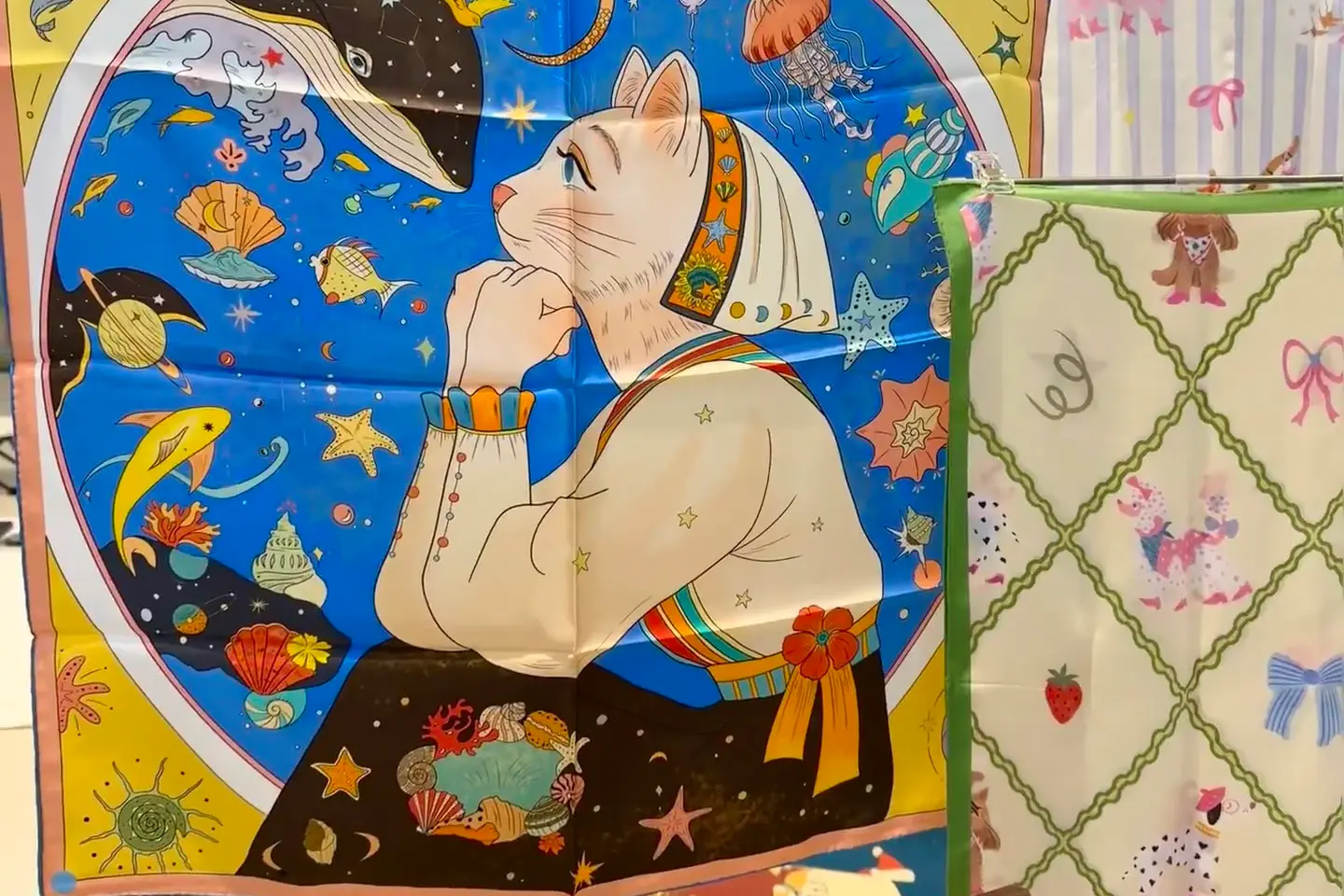
Printing can also affect MOQ.
Digital printing vs screen printing on silk is worth checking before MOQ discussion because digital printing is often more flexible for detailed artwork and smaller design runs. Screen printing may involve more setup, especially when there are multiple colors or screens. Placement prints, border prints, large solid backgrounds, and repeat patterns all need different checks before production.
If the artwork is not clear, MOQ and pricing are harder to confirm.
Before asking for a printed silk quote, prepare:
- Artwork file
- Finished product size
- Print area
- Whether the design is placement or repeat
- Number of colors if screen printing is being considered
- Pantone references if color matching is important
- Whether a printed sample is needed before bulk production
If the project involves a custom silk scarf, artwork preparation is especially important because size, border, edge finish, and print layout are closely connected.
Product Type and Construction
MOQ also changes by product construction.
A square silk scarf is different from a zipper pillowcase. A padded silk eye mask is different from a silk scrunchie. A pajama set has more size and sewing complexity than a small accessory.
Product construction may include:
- Zippers
- Elastic
- Adjustable straps
- Filling
- Lining
- Piping
- Buttons
- Pockets
- Embroidery
- Hand-rolled edges
Each extra detail can affect sourcing, sewing time, inspection, and minimum quantity.
For example, a silk sleep mask may look small, but the filling, nose shape, elastic, adjuster, and packaging all need confirmation. A silk pajama set may need size grading, fit review, seam control, and washing label placement.
Labels, Tags, and Trims
Custom trims can have their own MOQ. This is easy to overlook.
A buyer may ask for a small silk product order but also request custom woven labels, printed labels, hang tags, stickers, care labels, barcode labels, and branded bags. Each trim may need separate production.
Before confirming MOQ, check whether these items are needed:
- Main label
- Size label
- Care label
- Hang tag
- Sticker
- Barcode or QR code label
- Branded pouch or bag
- Carton mark
If the first order is small, using simpler trims can make the project easier. More custom trims can be added later when the order volume is stable.
Packaging MOQ
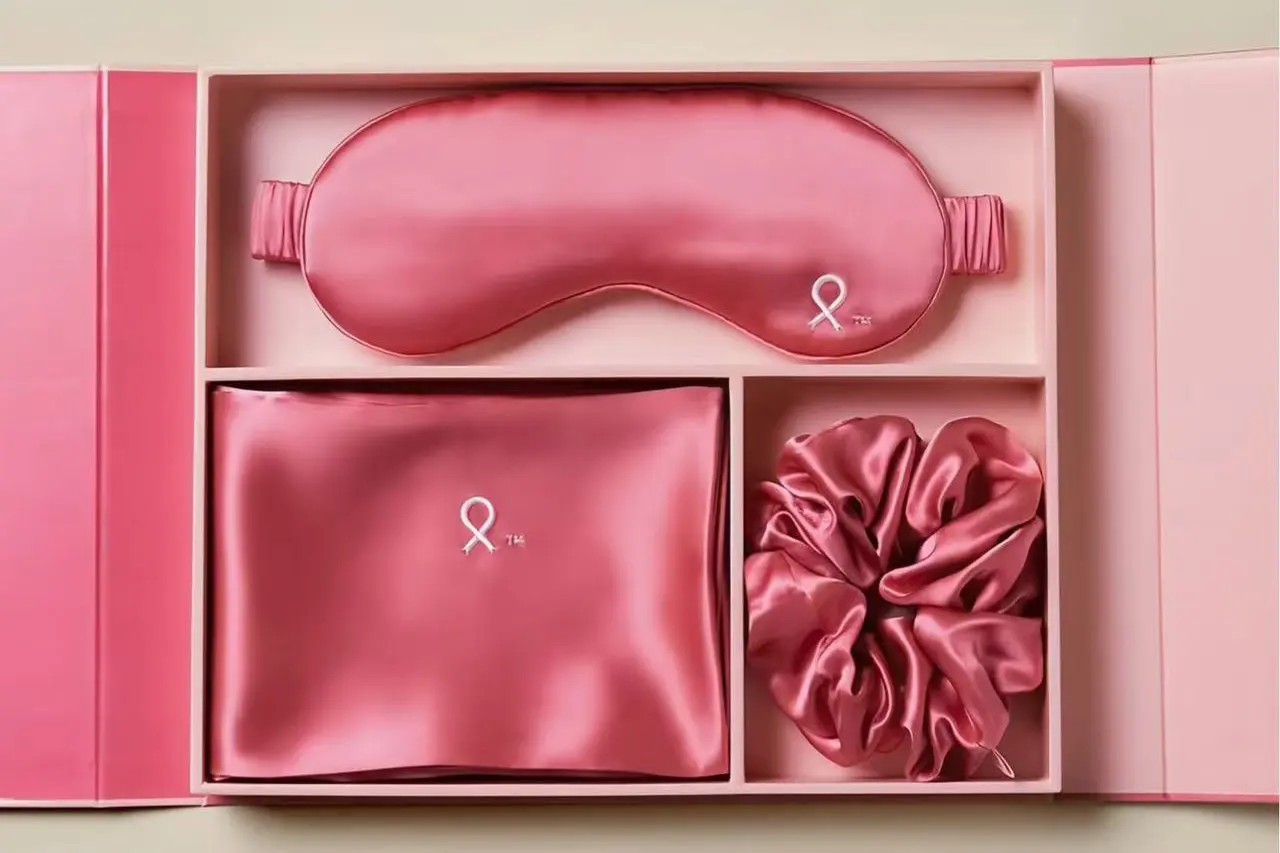
Packaging often has a separate MOQ from the silk product itself.
A plain protective bag is different from a custom printed box. A rigid gift box, drawer box, sleeve, insert card, ribbon, or custom paper bag may need separate production setup.
This means the product MOQ and packaging MOQ may not be the same.
For example, a silk pillowcase order may be possible at one quantity, but a fully custom gift box may require a larger packaging run. If buyers confirm packaging late, it can also affect lead time.
Before asking for a quote, prepare:
- Packaging type
- Box or pouch size
- Logo method
- Artwork file
- Insert card need
- Barcode or sticker need
- Whether simple packaging is acceptable for the first order
If you need to compare box, pouch, sleeve, and insert choices first, review our custom silk packaging options guide before confirming the MOQ discussion.
Order Mix: Colors, Sizes, and Styles
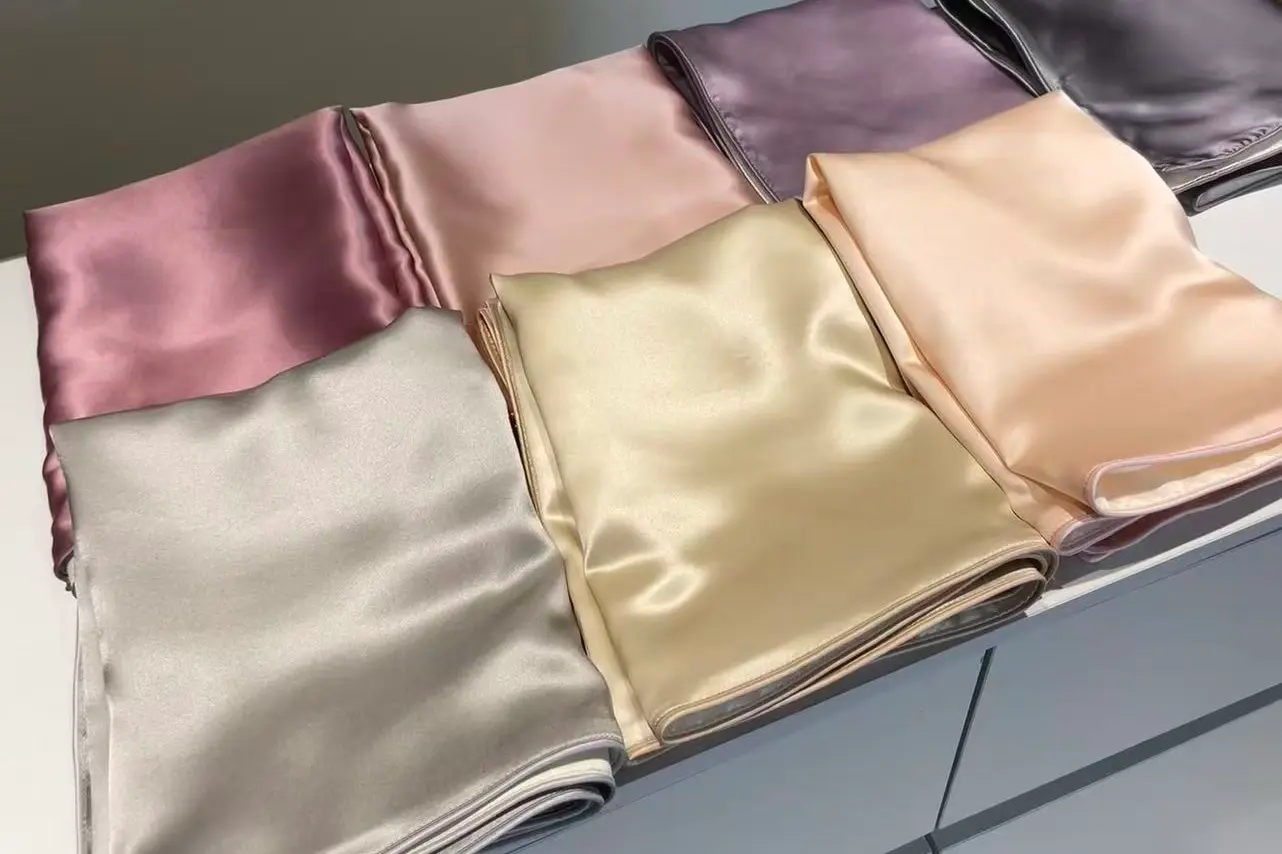
A total order quantity can look large on paper but become small after it is split by color, size, or style.
For example:
- 300 pieces total
- 3 colors
- 5 sizes
- 2 styles
This is no longer one simple batch. It becomes many smaller groups. Each group needs cutting, sewing, counting, inspection, and packing control.
For sleepwear, size breakdown is especially important. For scarves, color and artwork breakdown may matter more. For pillowcases, size and closure style can affect production grouping.
If buyers want lower MOQ, they can often simplify the first order by choosing fewer colors, fewer sizes, or one main style.
Why Small Orders Can Cost More Per Piece
Small custom orders often have a higher unit cost because setup work is spread across fewer pieces.
The factory may still need to:
- Review artwork
- Source or prepare fabric
- Make a sample
- Set up printing or dyeing
- Cut fabric
- Prepare trims
- Sew the product
- Inspect each piece
- Pack and label the order
These steps do not disappear just because the order is small.
This is why a small trial order can be useful, but buyers should expect the unit price to be higher than a larger repeat order.
How Buyers Can Reduce MOQ Pressure
Not every project needs to start with many colors, many sizes, and fully custom packaging.
To make a first order easier, buyers can:
- Use an available silk fabric where possible.
- Start with one or two colors.
- Keep size options simple.
- Use digital printing for detailed artwork when suitable.
- Choose standard packaging first.
- Add custom boxes after testing the product.
- Confirm artwork and labels early.
- Avoid changing specifications after sampling.
This does not mean the product must be plain. It means the first order should be realistic.
What Information to Send for an Accurate MOQ
A clear inquiry helps the factory answer faster.
Before asking for MOQ, send:
- Product type
- Product size
- Quantity target
- Fabric preference
- Momme weight, if known
- Color or Pantone reference
- Artwork file, if printed
- Logo or label requirement
- Packaging requirement
- Target delivery time
- Target market or use case
If some details are not decided, say so. A factory can often suggest options, but it needs to know which parts are flexible.
Example MOQ Situations
These examples are for explanation only. They are not fixed MOQ promises.
| Situation | MOQ may be easier when | MOQ may increase when |
|---|---|---|
| Silk scarf | Standard size, available fabric, digital print | Many colors, special size, hand-rolled edge, complex border |
| Silk pillowcase | Common size, simple closure, available color | Custom dyeing, custom zipper, special packaging |
| Silk sleep mask | Standard shape, simple elastic, available fabric | Custom filling, adjustable strap, embroidery, gift box |
| Silk scrunchie | Fewer colors, simple packaging | Many colors, custom labels, special elastic, gift set packing |
| Silk sleepwear | Limited sizes, existing pattern base | New pattern, many sizes, custom dyeing, trims, fit revisions |
The best MOQ discussion starts with a real product brief, not just a product name.
Common MOQ Mistakes
The first mistake is asking for MOQ without product details. “Silk pillowcase MOQ” is too broad because size, fabric, color, closure, label, and packaging can all change the answer.
The second mistake is comparing MOQ from different suppliers without checking specifications. One quote may be for available fabric and simple packaging. Another may include custom dyeing and branded boxes.
The third mistake is adding too many custom details to a first order. This can make MOQ, lead time, and cost harder to control.
The fourth mistake is treating sample quantity and bulk MOQ as the same thing. A sample can sometimes be made for review, but bulk production has different material and setup requirements.
A Practical Way to Think About MOQ
MOQ becomes easier to understand when you divide the project into three parts:
- Product: What are we making?
- Customization: What needs to be changed or added?
- Production setup: What must be prepared before making the order?
If most details use available materials and simple packaging, MOQ may be easier to manage. If the project needs custom color, custom print, special trims, new packaging, and several styles, MOQ will usually become more complex.
Closing
MOQ for custom silk products is not one fixed number for every product. It changes with fabric, color, print, size, construction, trims, packaging, and order mix.
For buyers, the most useful step is to prepare a clear product brief before asking for MOQ. The more specific the brief, the more accurate the answer will be.
If you are starting a new silk product project, keep the first order focused. Choose the details that matter most, test the product, and add more custom options when the order becomes stable. For broader project planning, our OEM and ODM silk production page explains how custom development can be organized.
When you are ready to discuss MOQ, send your product details for review with product type, size, fabric idea, color, quantity target, and packaging requirement.
Author note: Written by the WiseSilk factory team, based on common MOQ questions we receive during custom silk product sampling and bulk order planning.