
Digital Printing vs Screen Printing on Silk: What Brands Should Know
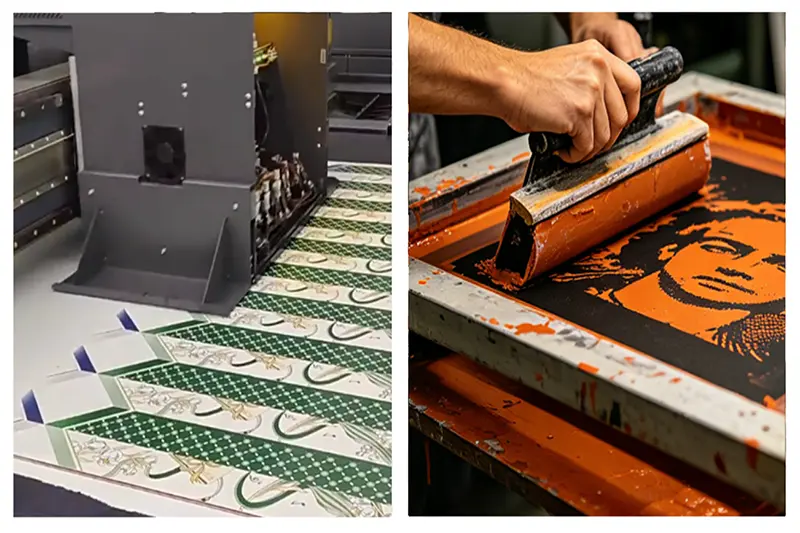
Printing method is one of the first technical decisions in a custom silk project.
Buyers usually ask the same question early on: should this design be made with digital printing or screen printing? The answer is tied to the artwork itself, the order structure, the sampling plan, and the kind of result the product needs to deliver.
This guide looks at the practical difference between the two methods, where each one tends to work better, and what brands should review before moving into sampling or production.
- Digital printing is often better for detailed artwork and lower setup complexity.
- Screen printing can work well for simpler layouts and controlled color blocks.
- The right method depends on design, quantity, timing, and expected finish.
1. What Digital Printing Means on Silk
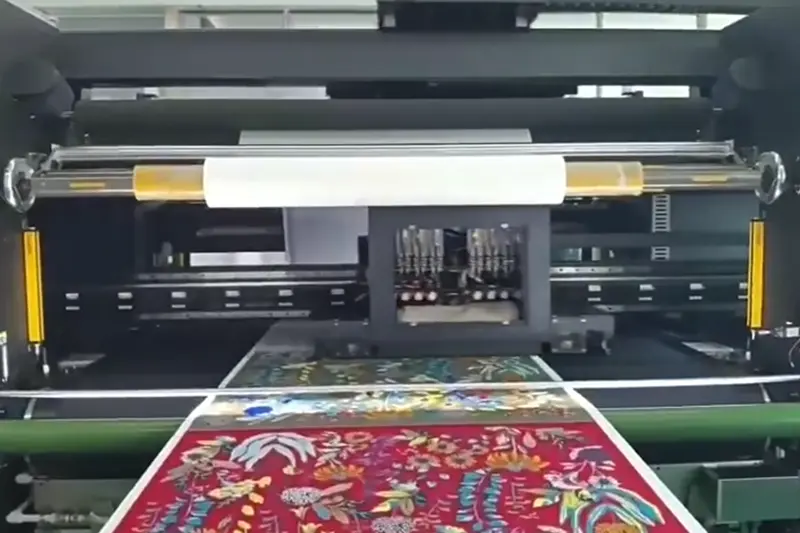
Digital printing applies the design to the silk through a digital file workflow.
It is a practical option when the artwork includes many colors, fine lines, gradients, or smaller details that would be harder to simplify. For silk scarves, twillies, and other printed accessories, buyers often start here when the design needs more visual detail or a more flexible sampling process.
If your project is still at the fabric selection stage, you can also review Custom Printed Fabric for a broader overview.
2. What Screen Printing Means on Silk
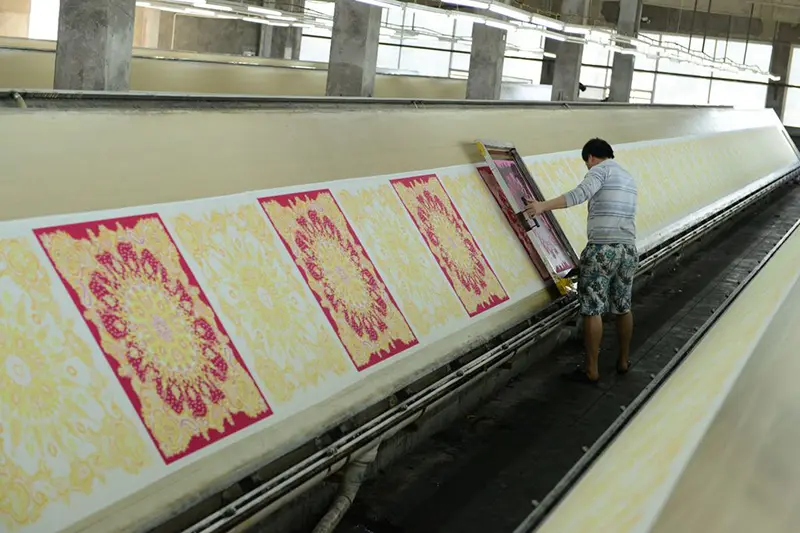
Screen printing transfers color through prepared screens, with each color or layer handled as part of the setup.
It usually makes more sense when the artwork is cleaner, the color areas are easier to separate, or the project suits a more structured production setup. In actual development, this method is easier to justify when the design is stable and does not require frequent revision during sampling.
3. Key Differences Between Digital and Screen Printing
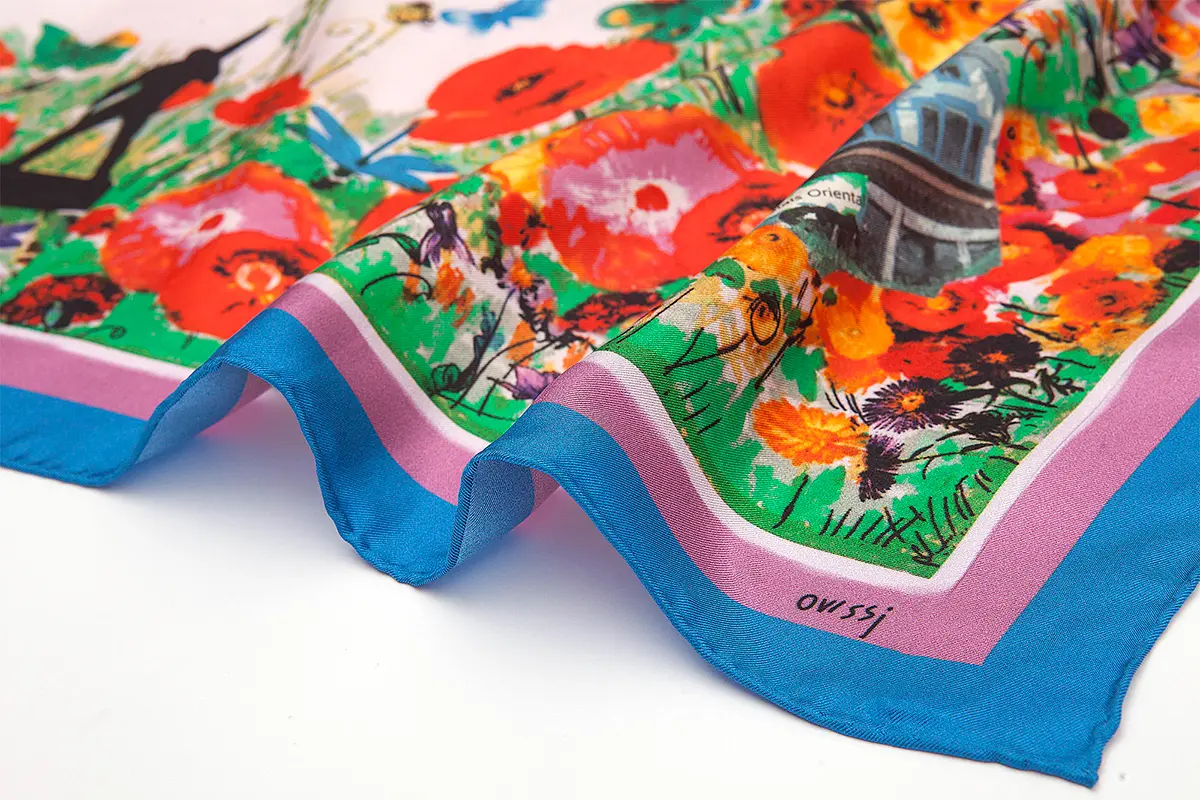
The difference is less about theory and more about how each method fits the artwork and the production plan.
Artwork complexity
When the design includes gradients, small details, layered colors, or a more complex layout, digital printing is usually easier to work with.
Screen printing is a better fit when the artwork is cleaner, the repeat is simpler, and the color separation is more controlled from the start.
Color setup
Digital printing gives buyers more freedom when the design contains many colors or softer transitions.
With screen printing, the color plan usually needs to be clearer earlier because the setup depends more directly on separated color layers.
MOQ and setup logic
For small or medium custom runs, digital printing usually has the easier starting point.
Screen printing becomes more reasonable when the design is stable and the order structure supports the setup work involved.
Sampling and revision speed
Digital printing is generally easier to move through when sampling is still active and the artwork may need adjustment.
Screen printing asks for more commitment earlier in the process, especially if revisions are still likely.
Final visual result
Neither method is automatically the better option. The better result usually comes from matching the print method to the design, the quantity, and the way the project will be produced.
4. Which Silk Products Commonly Use Each Method
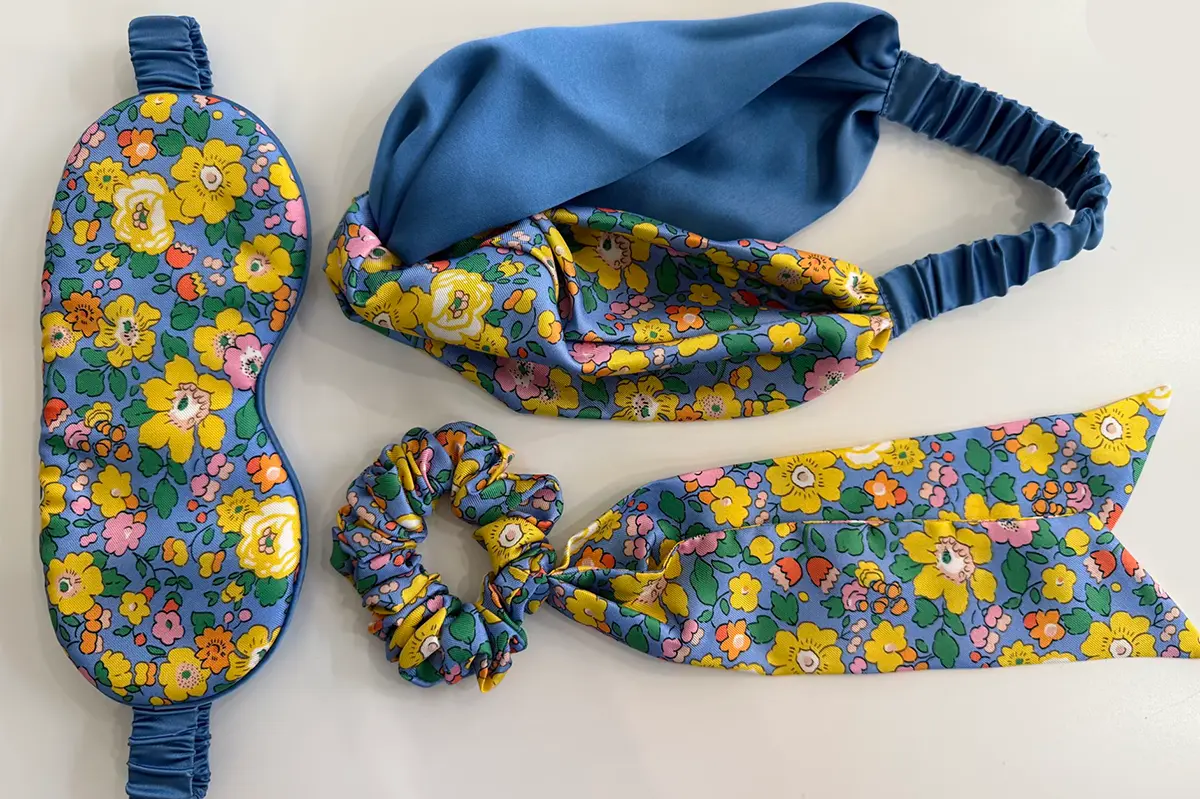
The printing method also depends on the product type.
Silk scarves
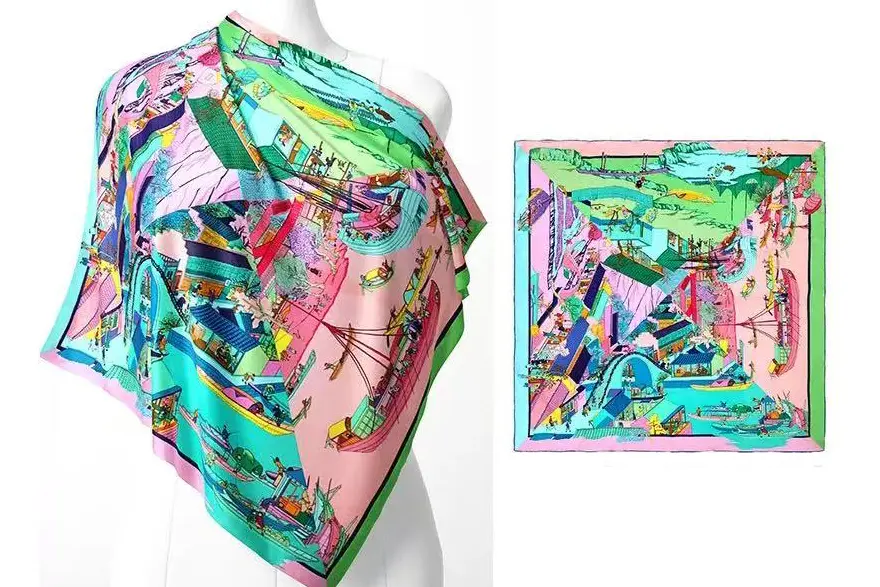
For square silk scarves and long silk scarves, digital printing is often selected when the artwork has more detail or multiple colors.
Screen printing may still be considered when the design is cleaner and the production structure supports it.
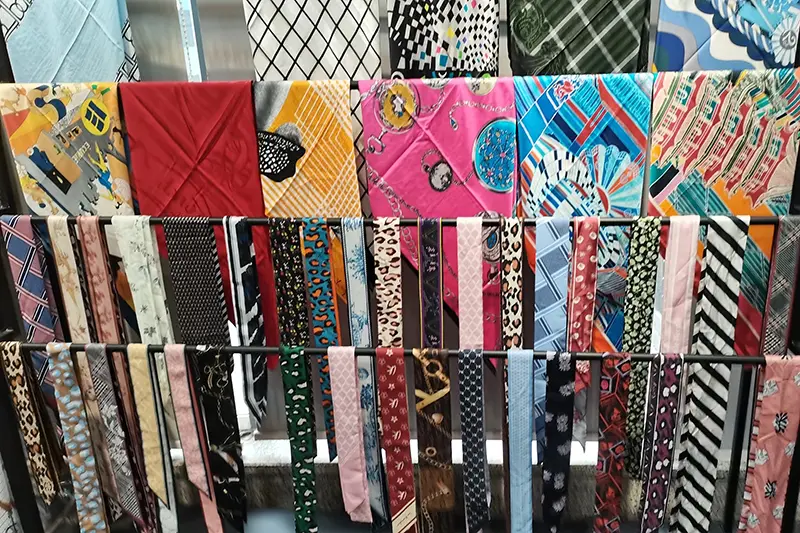
Silk twillies
For silk twillies, the narrow format makes artwork layout especially important. Detailed brand patterns and logo arrangements often work well with digital printing.
Pillowcases and accessories
For silk pillowcases and other printed accessories, the final choice depends on the print style, fabric base, and how consistent the artwork needs to be across production.
Gift and branding projects
In branded gift programs, the method is often chosen by balancing design complexity, quantity, packaging level, and development speed.
5. How to Choose the Right Printing Method
In most projects, the best method becomes clearer when buyers review a few practical questions first.
- How complex is the artwork?
- How many colors are involved?
- Will the design still change during sampling?
- What quantity is planned for bulk production?
- How important is sampling speed?
- What kind of finish and presentation does the product need?
If the design is still being adjusted or contains more visual detail, digital printing is often easier to manage. If the artwork is cleaner and the production plan is stable, screen printing may be worth reviewing.
6. Why Sampling Still Matters
Even when the print method looks clear on paper, sampling still matters.
A sample helps confirm:
- Color presentation
- Artwork placement
- Surface appearance
- Fabric reaction after printing and finishing
- Whether the method fits the product as expected
If your project is moving toward production, it also helps to review How It Works before bulk planning.
Closing
Digital printing and screen printing both work well in silk production when they are matched to the right kind of project.
In most cases, the decision comes back to the artwork, the quantity, the revision process, and the result the buyer wants to see in the finished product.
If you are reviewing a custom silk project and need help choosing the right print method, feel free to contact us.