
Custom Silk Packaging Options for Brands, Gifts, and Retail
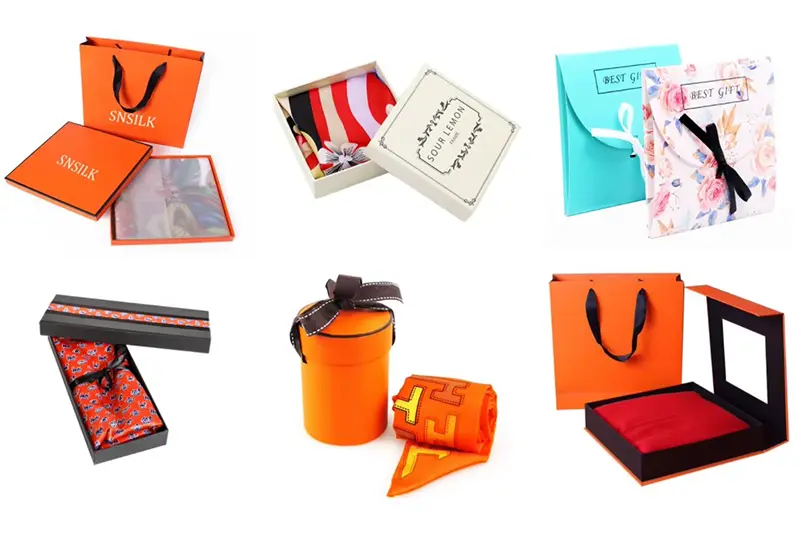
Packaging does more than make a silk product look finished.
In many projects, it also affects protection, packing workflow, presentation, and the way the final product fits the sales channel. A silk scarf in a simple polybag creates a very different impression from the same scarf packed in a rigid box with a branded insert card.
This guide looks at common custom silk packaging options and the main points brands should review before confirming the final packaging plan.
- Packaging affects presentation, protection, and workflow.
- Different products and sales channels often need different packaging formats.
- Packaging should be planned early enough to support labels, inserts, and final packing details.
1. Why Packaging Matters in Silk Product Development
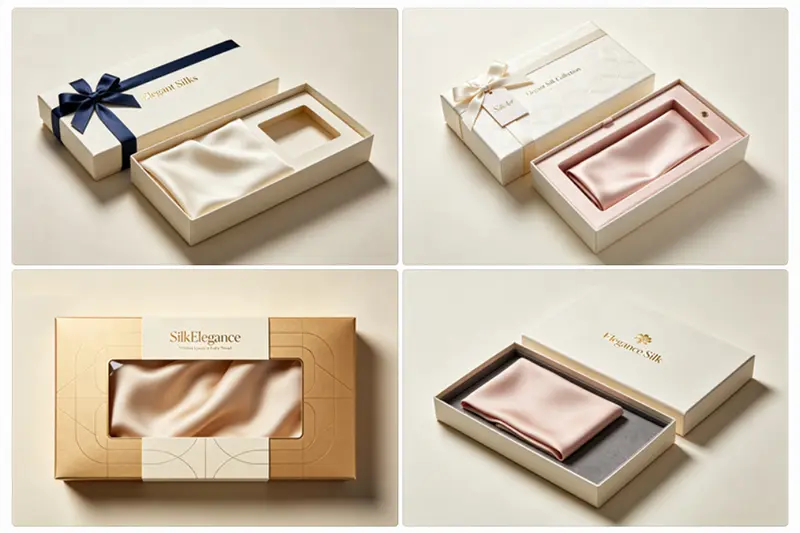
In silk product development, packaging should not be treated as a last-minute add-on.
It affects how the product is folded, labeled, packed, and shipped. It can also influence the budget, packing time, and the final presentation standard. In some projects, packaging is a simple protective layer. In others, it becomes part of the branded product experience.
2. Common Packaging Types for Silk Products
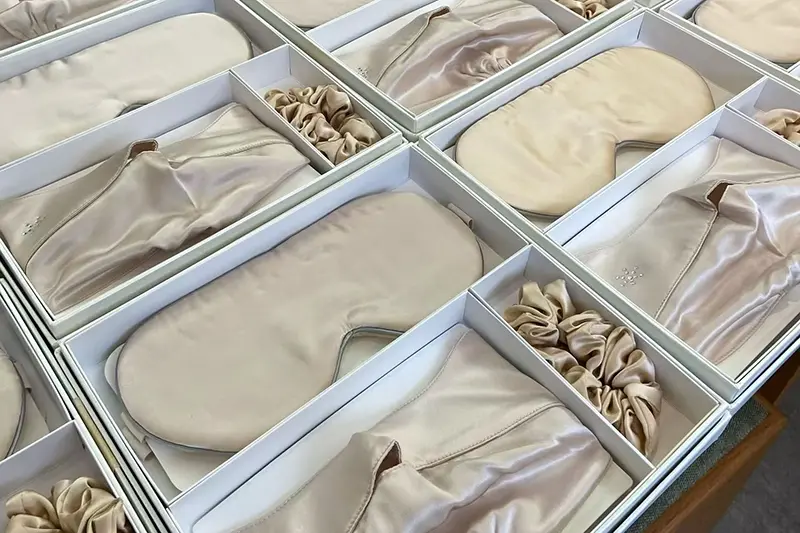
Different silk products can be packed in very different ways, depending on the sales channel and presentation target.
Common options include:
- Polybag
- Paper sleeve
- Envelope pack
- Pouch
- Folding box
- Rigid gift box
- Set box for multiple items
Some formats are more suitable for basic shipping and wholesale packing. Others are intended for retail display, gifting, or brand presentation.
3. Packaging for Different Silk Product Types
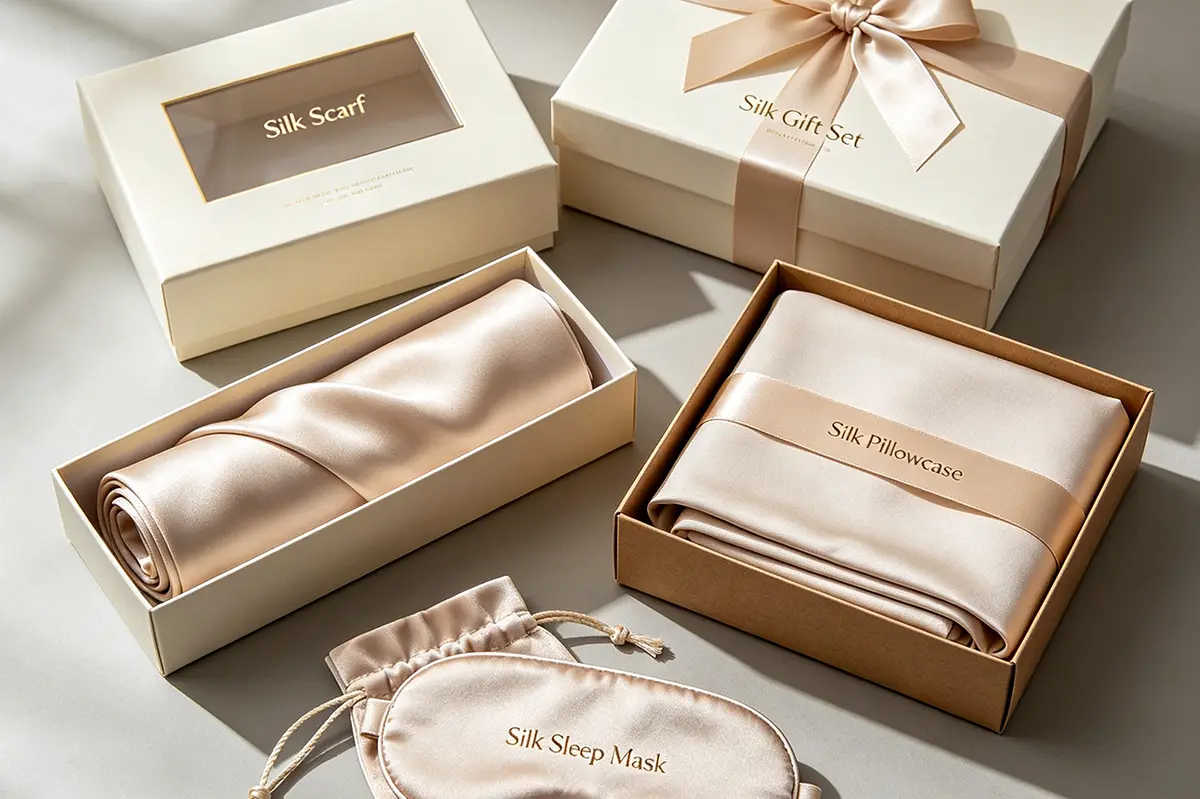
Packaging works best when it matches both the product itself and the way the product will be sold.
Silk scarves and twillies
For silk scarves and twillies, sleeves, pouches, insert cards, and gift boxes are all common choices. The better format usually depends on whether the scarf is meant for retail sale, gifting, or a promotional program.
Pillowcases and sleep products
For silk pillowcases and sleep masks, the packaging often has to balance presentation with packing efficiency and shipping practicality.
Hair accessories
For scrunchies and headbands, packaging is often part of how the product is merchandised. Cards, sleeves, small boxes, and hanging formats are more common in this category.
Gift sets
For custom silk gift sets, the packaging usually needs to keep multiple items organized while still supporting a more coordinated brand presentation.
4. Branding Elements That Can Be Added to Packaging
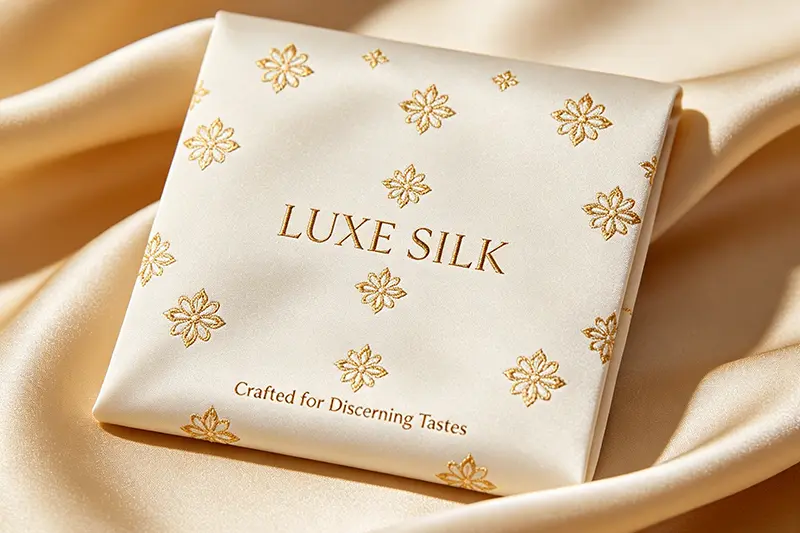
In many projects, the packaging structure is simple, but the branded details still carry a lot of weight.
Common branding elements include:
- Printed logo
- Sticker label
- Hang tag
- Care card
- Insert card
- Barcode label
- Outer carton marks
These details connect the packaging to the product and the sales channel. They also affect how the item is identified, packed, and displayed once it reaches the buyer or store.
5. Retail Packaging and Gift Packaging Are Not the Same
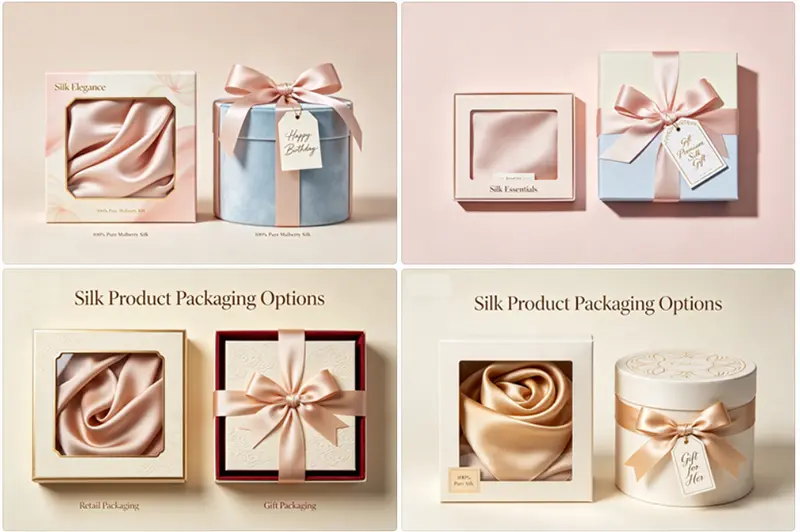
A common mistake is treating all packaging as if it serves the same purpose.
Retail packaging usually needs to consider shelf presentation, labeling, size efficiency, and shipping practicality. Gift packaging puts more emphasis on presentation, item arrangement, and the overall opening experience.
Corporate gift projects often sit somewhere in between. The packaging still needs to look organized and branded, but it also has to stay practical for quantity packing and budget control.
6. How to Balance Budget and Presentation
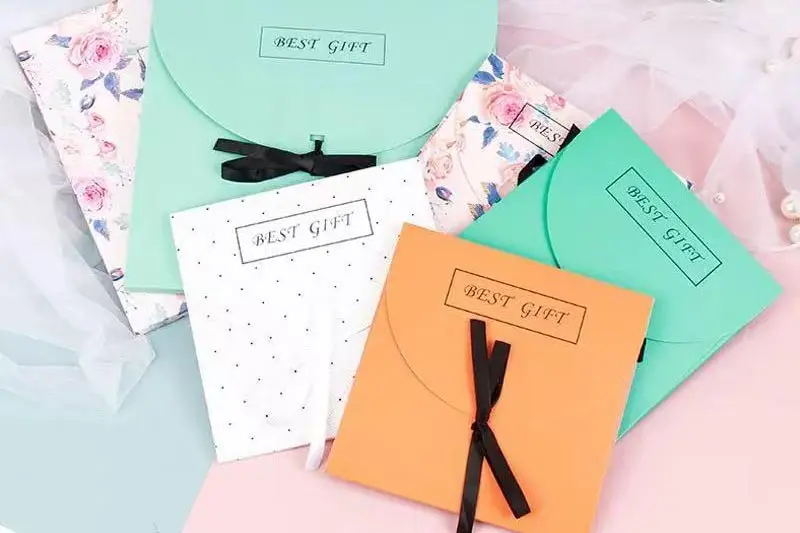
Packaging does not need to be complicated to work well.
In many cases, a simple format with the right insert, label, or sleeve does the job better than an overbuilt box. The best packaging plan usually comes from matching the product value, the sales channel, and the budget instead of trying to make every project look more elaborate than it needs to be.
7. When to Confirm Packaging Details
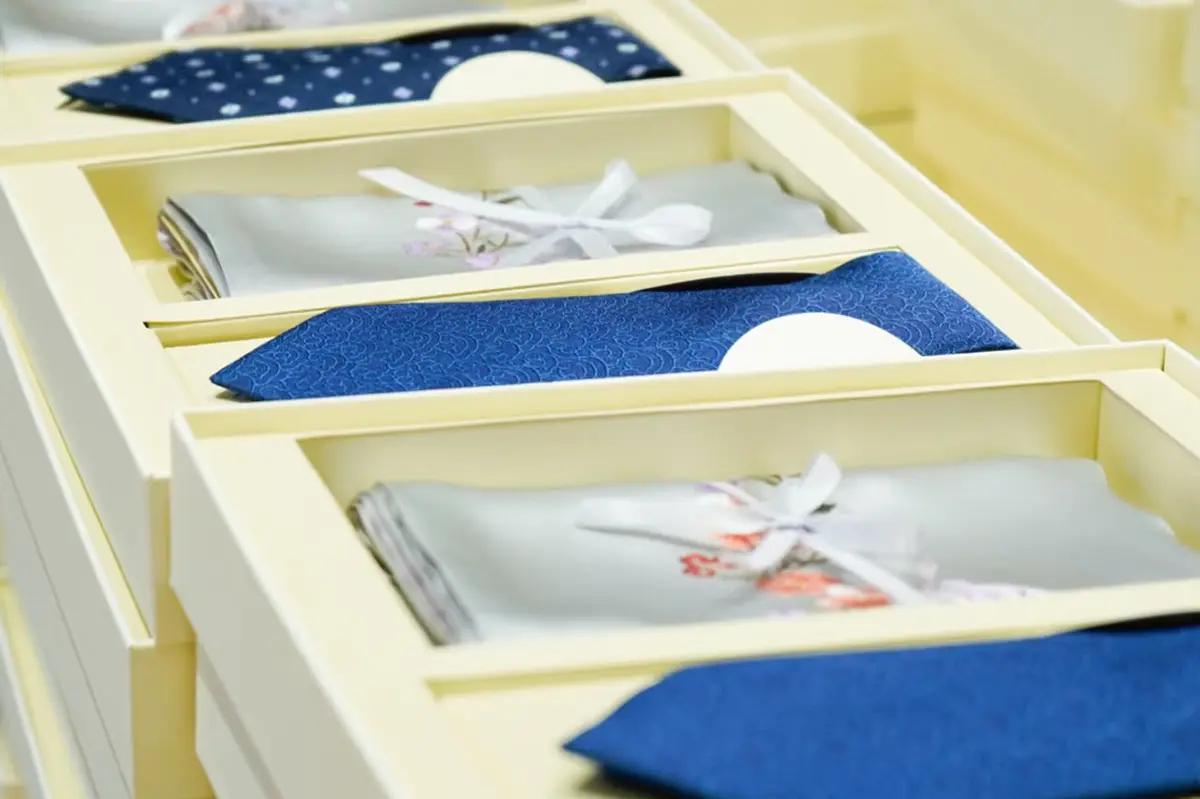
Packaging should be discussed before the project gets too far into production planning.
The factory usually needs enough lead time to review box size, insert format, logo method, label content, folding method, and packing sequence. If those details come in too late, they can create extra revision work near the end of the project.
If your project already includes branded packaging, it is also helpful to review Custom Packaging before final confirmation.
Closing
Packaging works better when it is planned alongside the product instead of being added at the very end.
The right format depends on the item, the sales channel, the presentation target, and the budget. In some projects, simple protective packaging is enough. In others, branded retail or gift packaging becomes part of the product value.
If you are reviewing packaging for a silk project and need help organizing the right option, feel free to contact us.