
Custom Silk Sample Approval Checklist
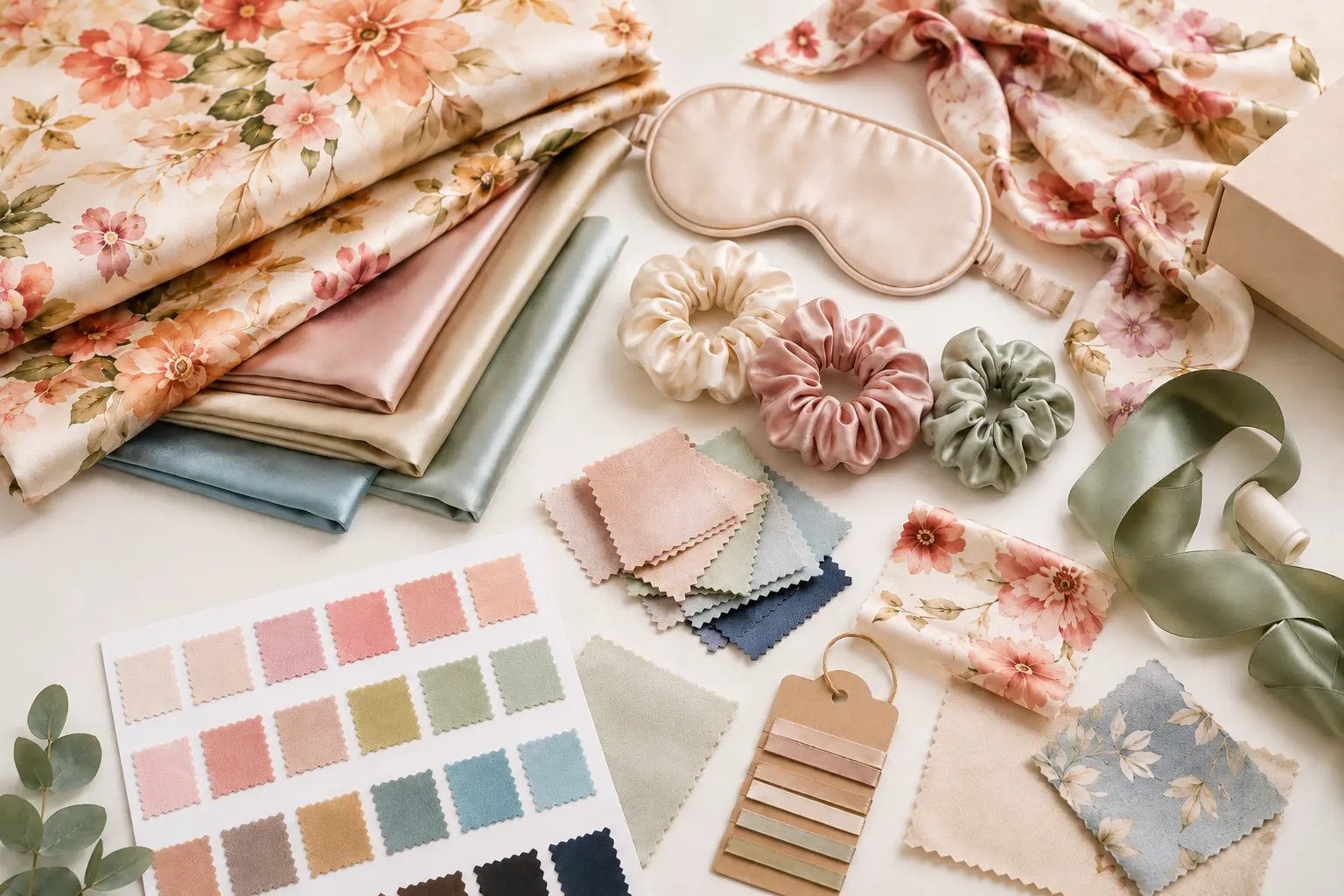
A custom silk sample is not only a preview. It is the reference for bulk production.
Before approving a sample, buyers should check more than whether the product “looks nice.” A custom silk pillowcase, scarf, sleep mask, pajama set, or scrunchie can look acceptable at first glance but still have details that need correction before production.
The goal of sample approval is simple: confirm what should be repeated in bulk, and write down what must be changed.
- A custom silk sample should be checked as a production reference, not only as a visual preview.
- Fabric, color, size, print, sewing, labels, packaging, and written approval notes all need review.
- Clear written notes help prevent avoidable bulk production mistakes.
The Short Answer
Before bulk production, check the silk sample for material, color, size, print, sewing, finishing, labels, packaging, and written specifications. Do not approve a sample only by photo if the final hand feel, color, or construction matters.
| Sample area | What to check | Why it matters |
|---|---|---|
| Fabric | Fiber, weave, momme, hand feel, transparency | Fabric choice affects product feel and price. |
| Color | Shade, color direction, light source, batch risk | Color can shift between sample and bulk. |
| Size | Finished measurement and tolerance | Small size changes can affect fit and packaging. |
| Clarity, placement, border, color, reverse side | Print errors can repeat across the full order. | |
| Sewing | Seam tension, puckering, thread ends, edge finish | Silk shows sewing issues clearly. |
| Labels | Content, position, material, size | Wrong labels can delay packing or export. |
| Packaging | Box, pouch, insert, sticker, barcode, folding | Packaging affects presentation and delivery. |
| Approval notes | What is approved and what needs revision | Written notes reduce misunderstanding. |
1. Check the Fabric First
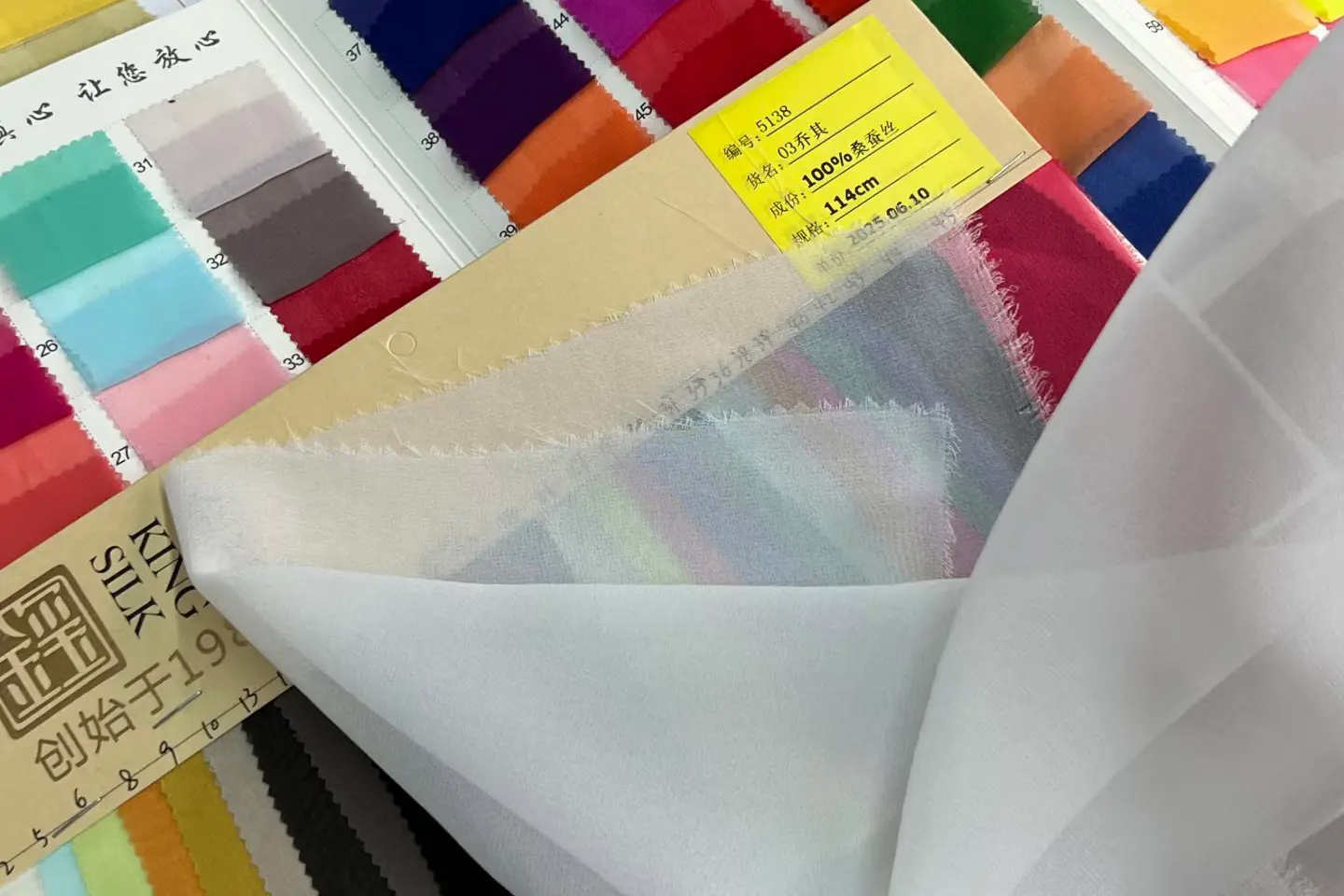
Start with the fabric because everything else depends on it.
For silk products, fabric is not only about softness. During sample review, we check the weave, momme, surface, drape, transparency, and whether the fabric suits the product structure. If fabric weight is unclear, review what momme means in silk fabric before approving the sample.
Check these points:
- Is the fabric 100% silk, silk blend, or another material?
- Is the weave correct, such as satin, twill, chiffon, or crepe de chine?
- Does the momme feel right for the product?
- Is the fabric too thin when held against light?
- Does it feel too stiff, too slippery, or too heavy?
- Does the fabric match the approved swatch or previous sample?
For pillowcases and bedding, fabric stability matters because the product will be used and washed often. For scarves, drape and edge behavior matter. For sleepwear, the fabric should be checked on the body or on a form, not only on a flat table.
2. Review the Color Under Normal Light
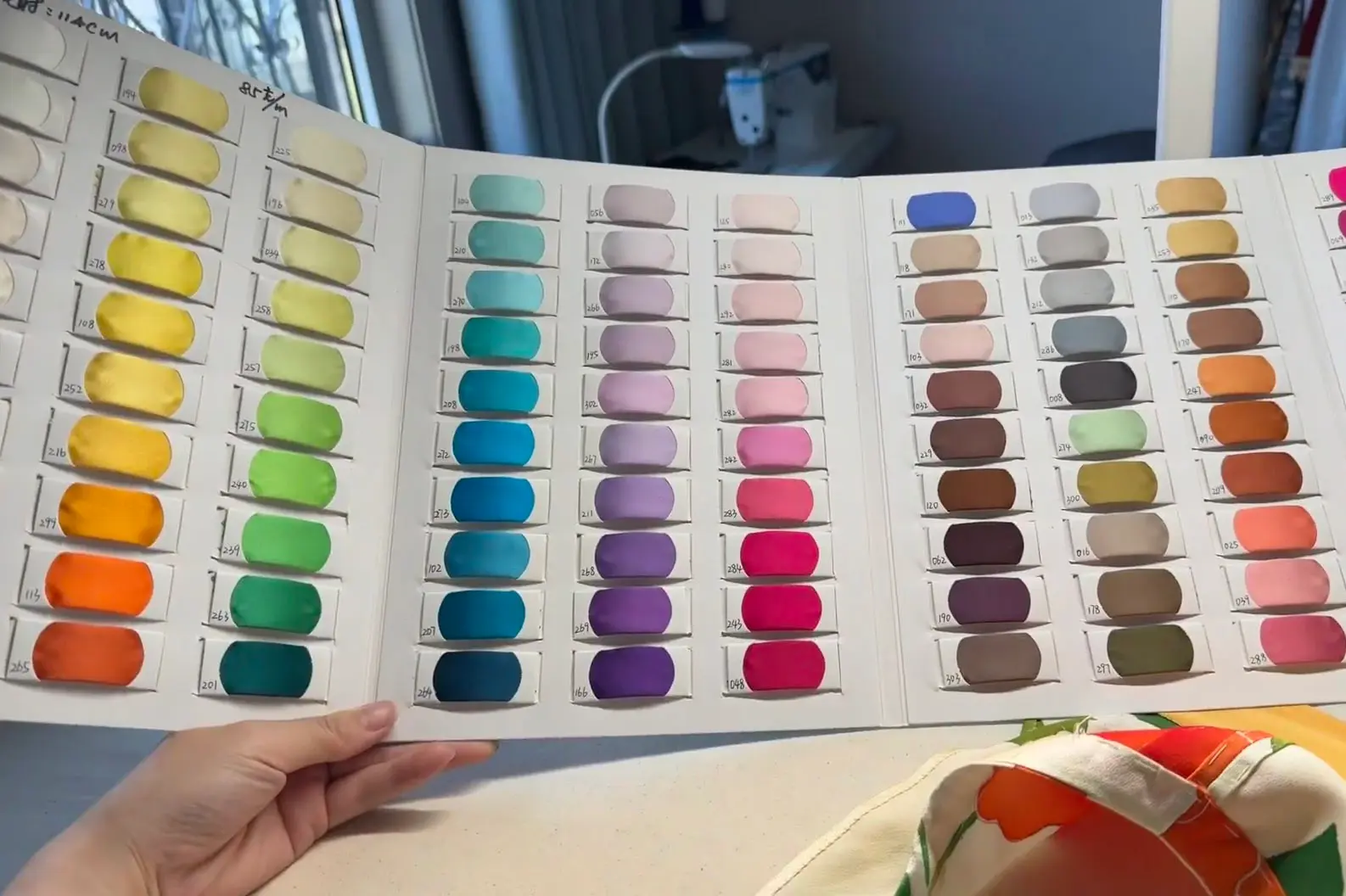
Color is one of the most common sample approval issues.
Silk reflects light, so the same color may look different under daylight, office light, phone camera light, or warm indoor light. A photo is useful for discussion, but it should not be the only approval method when color is important.
When reviewing color, check:
- Is the shade close to the approved reference?
- Is the color checked under a clear light source?
- Does the color look different on folded areas?
- Does the print color match the brand direction?
- Are dark colors even across the surface?
- Are pale colors too transparent?
If Pantone matching or lab dip approval is required, write down the approved reference clearly. If a slight tolerance is acceptable, define it before bulk production.
3. Measure the Finished Size
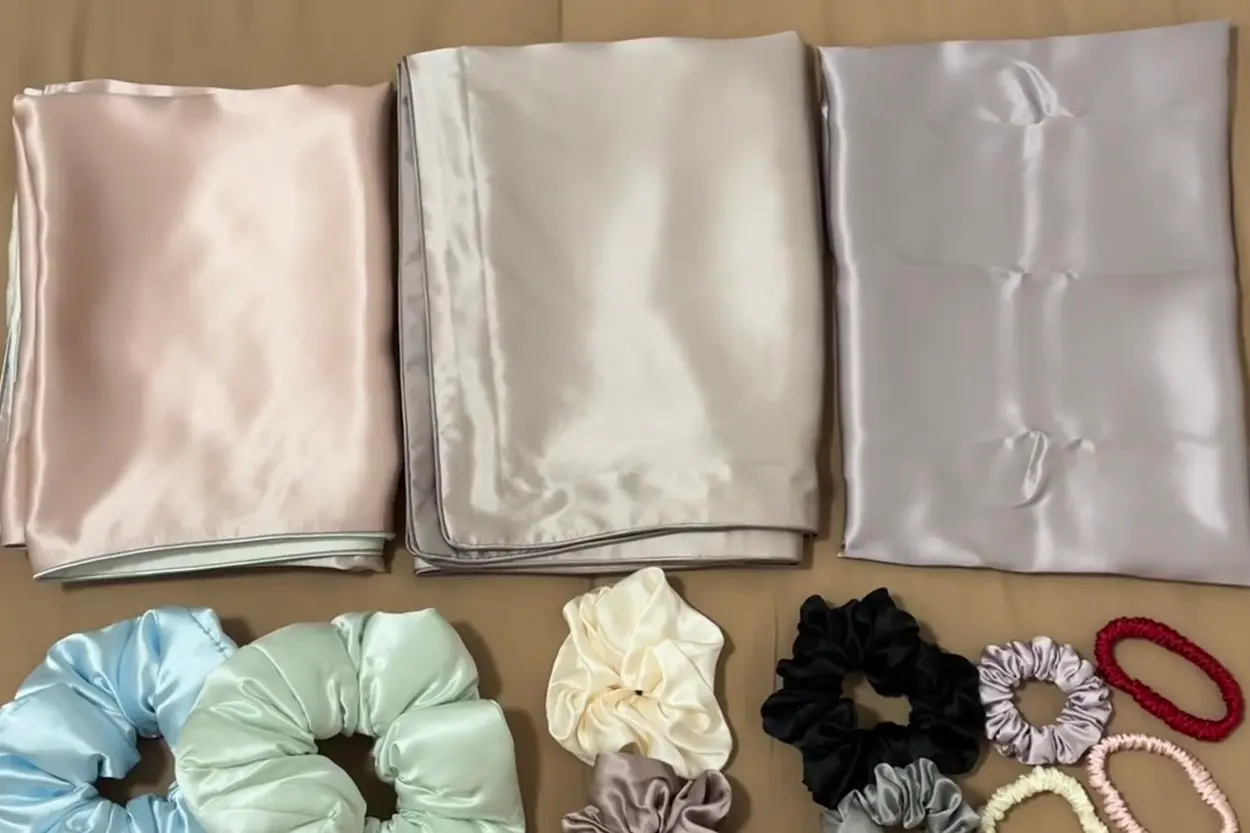
Silk fabric can move during cutting and sewing. Finished size should be measured carefully.
Do not only check the product by eye. Use a measuring tape and compare the sample with the confirmed specification.
Check:
- Width and length
- Product shape
- Corner shape
- Closure size
- Strap length
- Elastic length
- Label position
- Packaging fit
For scarves, measure edge to edge after finishing. For pillowcases, measure the finished size and closure area. For sleepwear, check garment measurements such as chest, waist, sleeve, length, cuff, and waistband.
If size tolerance is allowed, write it down. Bulk production should not depend on a vague phrase like “same as sample” if exact sizing matters.
4. Check Print Quality and Placement
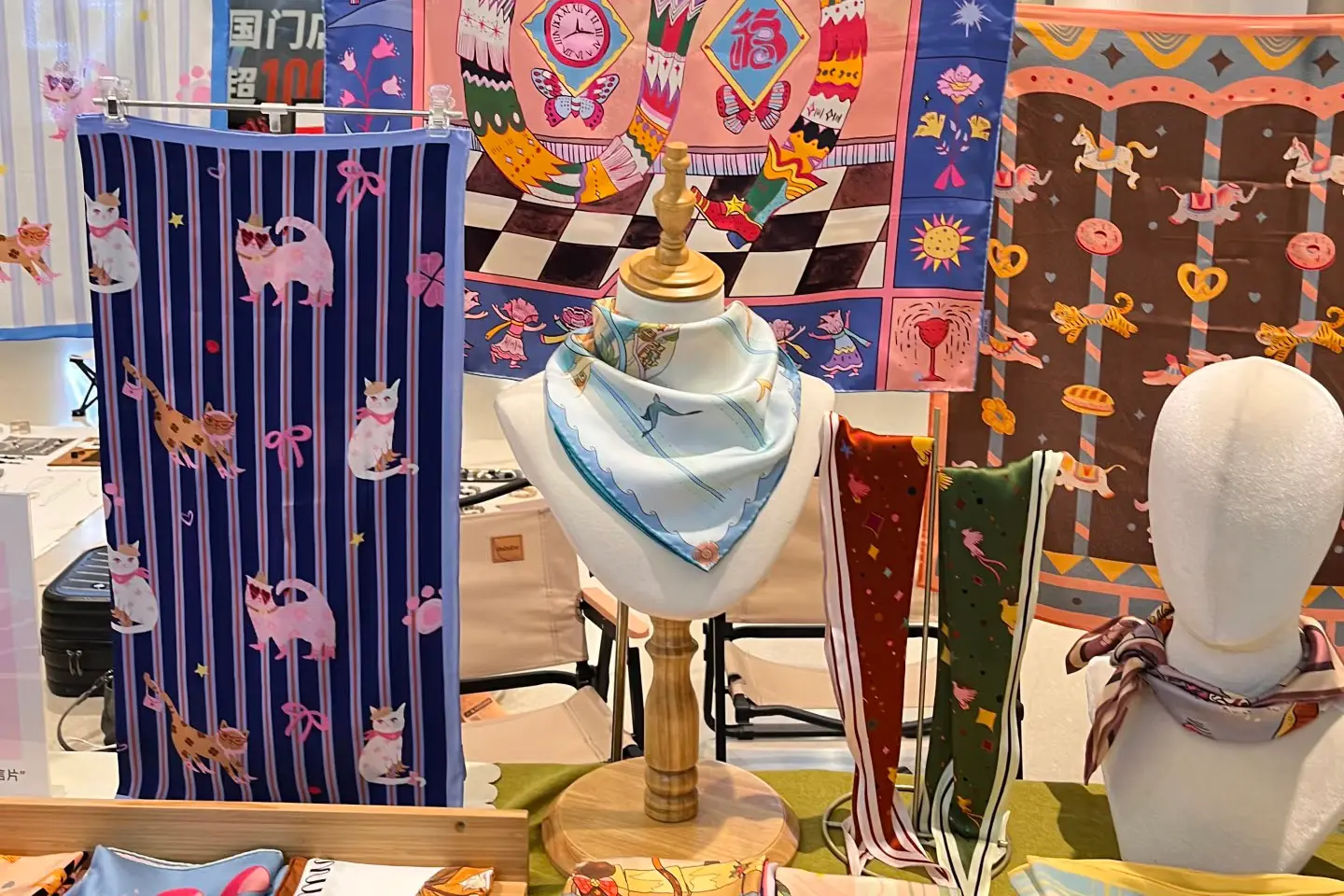
For printed silk products, the sample should be checked against the artwork file.
Silk printing can be affected by fabric weave, base color, artwork detail, print method, and finishing. Thin lines, large solid backgrounds, borders, and detailed logos need careful review. If the print method is still being decided, compare digital printing vs screen printing on silk before approving the printed sample.
Check:
- Is the print sharp enough?
- Are thin lines clear?
- Is the logo in the right position?
- Are borders straight and balanced?
- Is the print size correct?
- Is the repeat pattern aligned?
- Is the color close to the approved reference?
- Does the reverse side appearance matter for this product?
For silk scarves, print placement and edge finishing are closely connected. If the border is too close to the edge, the final hem may affect the visual balance.
5. Review Sewing and Edge Finishing
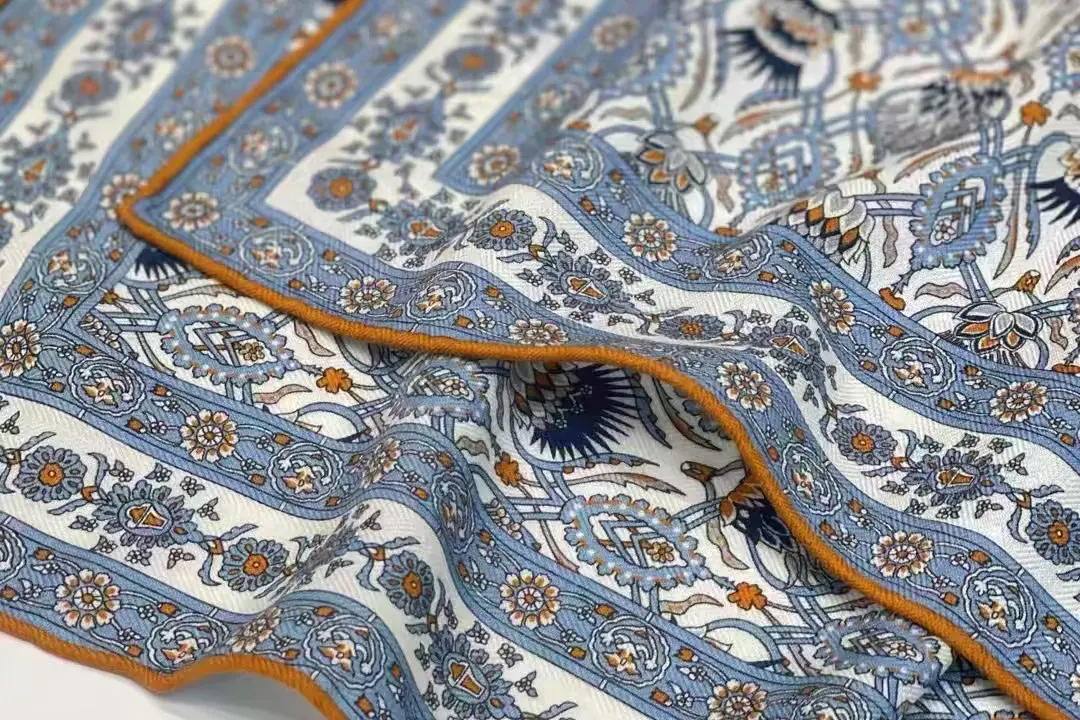
Silk shows sewing problems more easily than many heavier fabrics. Small puckers, loose threads, uneven corners, or poor edge control can stand out on a smooth surface.
Check:
- Are seams straight?
- Is there strong puckering?
- Are thread ends trimmed?
- Are corners clean?
- Is the edge finish even?
- Does the seam tension look balanced?
- Does the product lie flat after pressing?
For scarves, check hand-rolled edges, machine hems, or baby hems closely. For pillowcases, check the zipper, envelope flap, or Oxford edge. For sleepwear, check cuffs, collar, pocket, waistband, and seam areas where silk may pull.
If a sewing detail is acceptable in sample but needs improvement in bulk, write that clearly before approval.
6. Check Product Construction
Some silk products include parts beyond flat fabric and sewing.
For example, silk eye masks may include filling, elastic, nose shape, and adjuster. Silk scrunchies include elastic quality and gathering. Silk pillowcases may include zipper, envelope closure, or piping. Silk sleepwear may include buttons, pockets, cuffs, and waistbands.
Check:
- Does the product work as intended?
- Does it feel comfortable in use?
- Does the filling shift or feel uneven?
- Is the elastic too tight or too loose?
- Does the zipper move smoothly?
- Do buttons feel secure?
- Does the product keep its shape after light handling?
A product can use the right fabric and still fail because the construction is not comfortable or stable.
7. Check Labels and Care Information
Labels are easy to leave until the end, but they can cause delays if they are wrong.
Check all label details before bulk production:
- Main label content
- Size label
- Care label
- Fiber content
- Country or market requirements
- Label position
- Label material
- Text spelling
- Logo size
For care labels, do not make washing sound easier than it is. If the silk product is delicate, padded, embroidered, or dry-clean-only, the care instruction should reflect that.
If legal or market-specific labeling rules apply, the buyer should confirm them before production. Do not rely on a sample photo only for label approval.
8. Check Packaging Before It Is Too Late
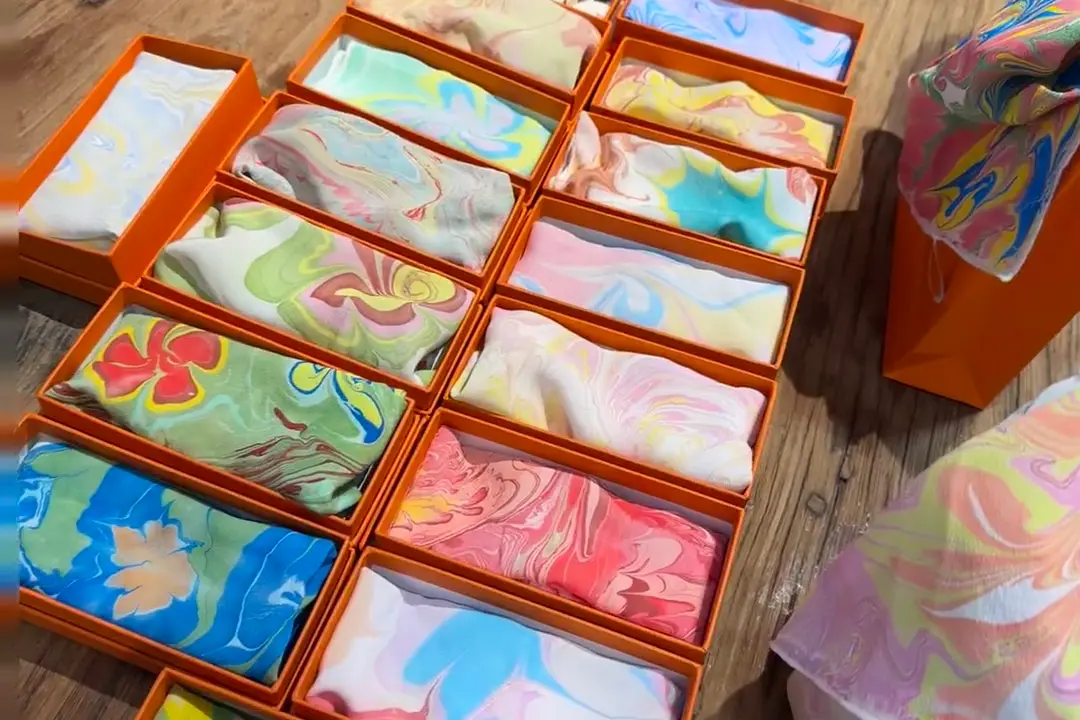
Packaging should be reviewed with the sample whenever possible. If the packaging direction is not decided yet, compare custom silk packaging options before giving final approval.
The silk product may be correct, but the folding method, pouch size, box size, insert card, sticker, barcode, or carton mark may still need changes.
Check:
- Does the product fit the packaging without being crushed?
- Is the folding method acceptable?
- Is the logo printed correctly?
- Is the insert card text correct?
- Is the barcode or QR code scannable?
- Are stickers and labels in the right position?
- Does the packaging protect the product during shipping?
- Does the final packed size match delivery needs?
For gift products, packaging is part of the customer experience. For wholesale or retail programs, packaging also affects workflow, storage, and shipping.
9. Compare Sample With the Original Brief
After checking the sample itself, compare it with the original brief. Sample revisions can also change production planning and MOQ, so note major material, trim, or packaging changes clearly.
Look back at:
- Product type
- Size
- Fabric
- Momme
- Color
- Artwork
- Logo
- Label
- Packaging
- Quantity plan
- Target delivery time
This step catches mismatches that may not be obvious when looking at the sample alone.
For example, the sample may look good, but the fabric may not match the quoted momme. The packaging may look fine, but the barcode may be missing. The print may be clear, but the logo position may not match the approved artwork.
10. Write Clear Approval Notes
Do not approve a sample with unclear wording.
Instead of writing “sample approved,” write what is approved and what still needs to change.
For example:
- Fabric approved.
- Color approved under daylight reference.
- Size approved with tolerance of [need buyer confirmation].
- Print placement approved.
- Edge finishing approved.
- Packaging not approved. Box size needs revision.
- Care label text needs buyer confirmation.
If something is not approved, write the correction clearly. This helps both buyer and factory avoid repeating the same issue in bulk.
What Not to Approve Too Quickly
Some details need extra caution:
- Custom color
- Large solid print areas
- Border prints
- Hand-rolled scarf edges
- Zipper pillowcases
- Padded eye masks
- Sleepwear fit
- Custom labels
- Gift boxes
- Barcode and carton marks
These details can affect the whole order if they are wrong.
Should You Approve by Photo?
Photos are useful, but they have limits.
Photo approval may work for simple layout checks, logo placement, or packaging direction. But it is weaker for hand feel, fabric weight, color accuracy, seam tension, and product comfort.
If the product is simple and the risk is low, photo approval may be acceptable. If the order includes custom color, custom print, new construction, or a higher-value product, a physical sample is safer.
Common Sample Approval Mistakes
The first mistake is approving only the overall look. Details such as size, closure, labels, and packaging may still be wrong.
The second mistake is approving color from phone photos only. Lighting and screens can change the color.
The third mistake is not checking the sample against the original brief. A sample can look good and still miss a requirement.
The fourth mistake is leaving packaging and labels until after product approval. These details can affect cost, lead time, and final presentation.
The fifth mistake is not writing approval notes. Verbal approval can be misunderstood later.
Final Approval Checklist
Before moving to bulk production, confirm:
- Fabric is approved.
- Momme or fabric weight is approved.
- Color is approved with a clear reference.
- Finished size and tolerance are approved.
- Print quality and placement are approved.
- Sewing and edge finishing are approved.
- Product construction is approved.
- Labels are approved.
- Care information is approved.
- Packaging is approved or correction is written.
- Any remaining changes are listed clearly.
- Buyer and factory both have the same final notes.
Bulk production should start only after the sample and written details are aligned.
Closing
A custom silk sample connects the product idea with bulk production. It should be checked carefully, not only admired.
The safest approval process is practical: touch the fabric, measure the product, check the color, review the sewing, confirm labels and packaging, and write down every approved detail.
Clear sample approval does not remove every production risk, but it reduces avoidable mistakes. For projects that need product development support, our OEM and ODM silk production page explains how custom work can be organized.
If you are unsure how to approve a silk sample, send your sample details for review with your original brief, sample photos, and notes for fabric, color, size, print, sewing, label, and packaging.
Author note: Written by the WiseSilk factory team, based on common sample approval questions we see during custom silk pillowcase, scarf, sleepwear, eye mask, and accessory projects.