
How to Wash Silk Without Damaging It
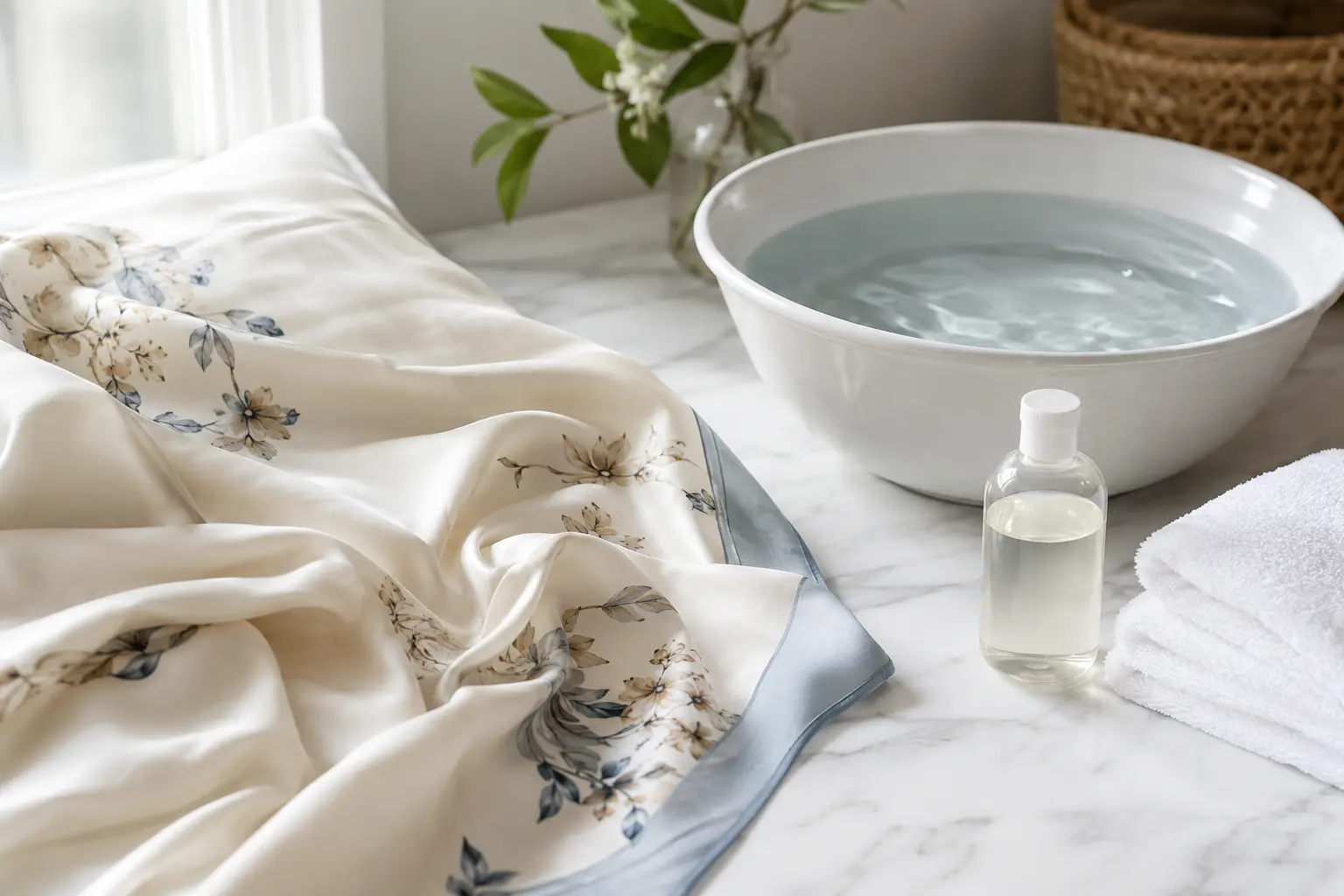
Silk can be washed, but it does not respond well to heat, strong detergent, rough rubbing, twisting, or long soaking.
If silk is washed in hot water or with a harsh detergent, the surface can lose some smoothness. Dark colors may also look uneven after drying. For shaped products such as pillowcases, sleep masks, robes, and scarves, rough washing can affect seams, edges, and shape.
Before washing any silk item, check the care label first. If the label says dry clean only, follow that instruction.
- Most washable silk should be cleaned with cool water, mild detergent, and gentle hand movement.
- Heat, bleach, strong detergent, rough rubbing, wringing, and tumble drying are common causes of damage.
- Care instructions should match the fabric, dye, print, trims, filling, and finished product construction.
The Short Answer
For most washable silk items, use cool water, a mild detergent, and gentle hand movement. Do not use bleach. Do not wring. Do not tumble dry. Dry the item away from direct sunlight.
| Washing point | Safer choice | What to avoid |
|---|---|---|
| Water temperature | Cool or lukewarm water | Hot water |
| Detergent | Mild detergent for delicate fabrics | Bleach, enzyme-heavy detergent, strong alkaline detergent |
| Washing action | Gentle pressing and light movement | Scrubbing, twisting, hard rubbing |
| Soaking time | Short soak only if needed | Long soaking |
| Drying | Lay flat or hang carefully in shade | Tumble drying or strong sun |
| Ironing after wash | Low heat, reverse side, cloth barrier | High heat directly on the surface |
Step 1: Check the Care Label
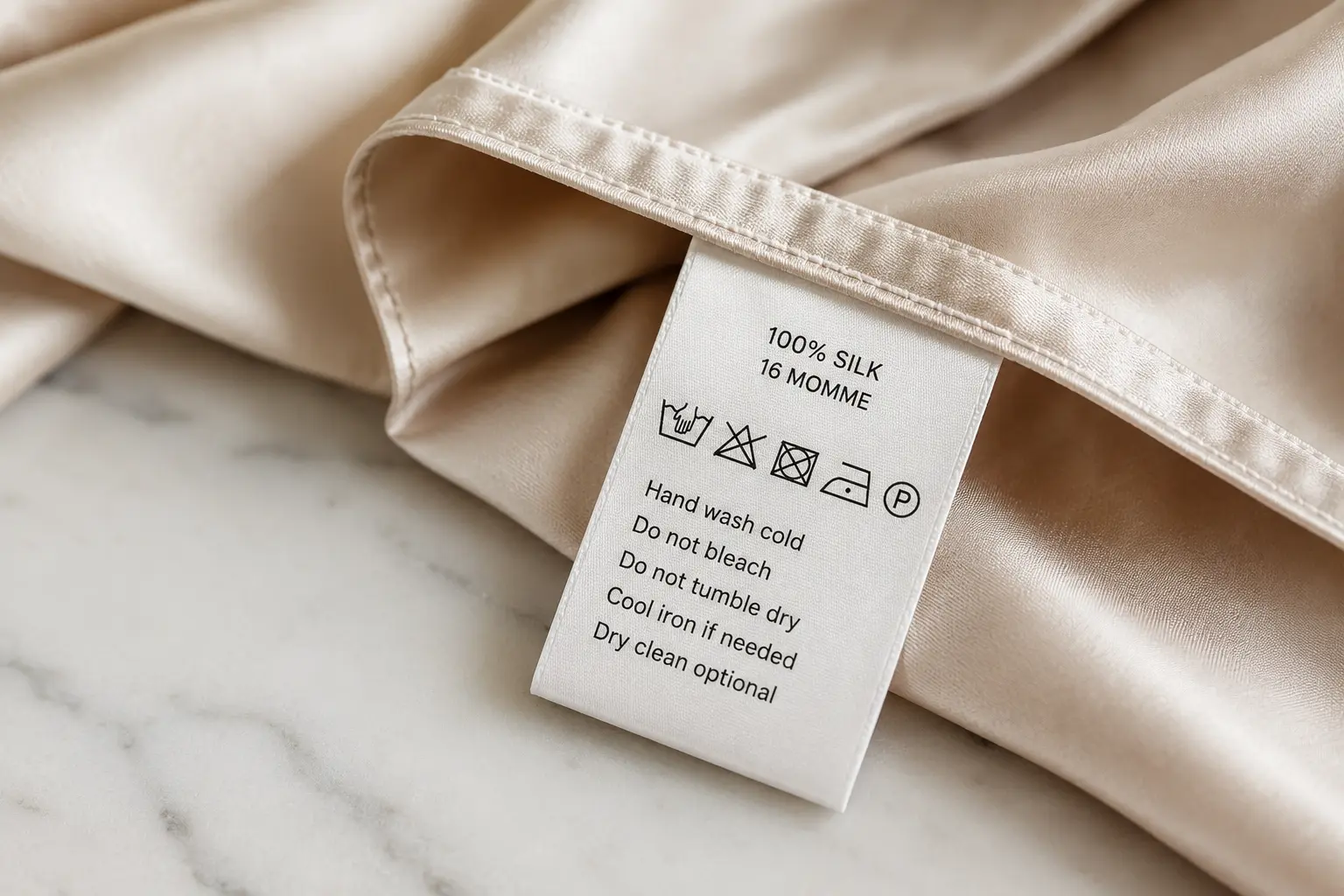
Not all silk products should be washed the same way.
A silk scarf with hand-rolled edges, a silk pillowcase with zipper, and a padded silk sleep mask all behave differently in water. Fabric weight, dye, print, seam construction, filling, and trims can change the safest care method. If you are still choosing fabric, it helps to understand what momme means in silk fabric before setting care expectations.
Before washing, check:
- Fiber content.
- Care symbols.
- Whether the item says hand wash or dry clean only.
- Whether there are trims, filling, embroidery, or glued details.
- Whether the color may bleed.
If the care label is missing or unclear, wash a small hidden area first or choose dry cleaning for safer handling.
Step 2: Use Cool Water
Cool water is safer for silk than hot water. Hot water can make silk feel less smooth and may affect color, especially on darker shades or printed items.
For hand washing, use cool or lukewarm water. The water should not feel hot to the hand.
If the silk item has strong color, printed artwork, or contrast piping, test carefully. Color bleeding can happen when dye, water temperature, detergent, or soaking time is not suitable. For custom projects, confirm fabric, dye, and print details early with the right custom silk fabric options before final care wording.
Step 3: Choose a Mild Detergent
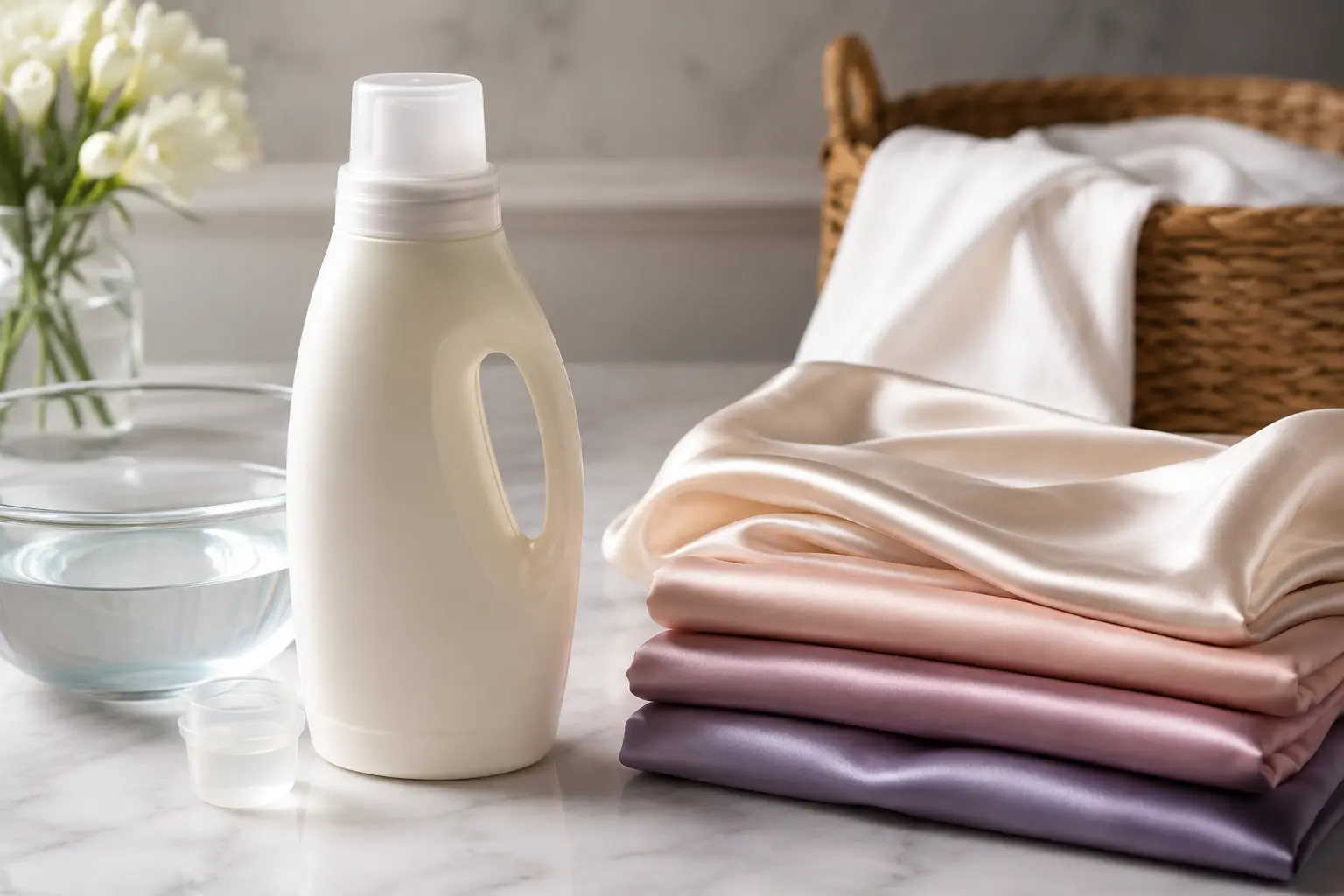
Use a mild detergent made for silk, wool, or delicate fabrics. The detergent should clean without being too strong.
Avoid:
- Bleach
- Strong stain removers
- Enzyme-heavy laundry detergent
- Strong alkaline detergent
- Fabric softener unless the care label allows it
Strong detergent can make silk feel rougher after washing. It may also affect the surface shine and color. If the fabric feels stiff after washing, the water temperature or detergent may have been too harsh.
Step 4: Wash Gently
Do not scrub silk the way you would wash cotton towels or jeans.
Place the silk item in water with diluted detergent. Move it gently by hand. Press the fabric lightly so water can pass through it. If there is a small stain, treat that area carefully instead of rubbing the whole item.
For smooth silk fabric, hard rubbing can leave marks or change the surface appearance. For dark silk, pressure marks can be more obvious.
Keep the washing time short. Long soaking is not needed for most silk items.
Step 5: Rinse Well
After washing, rinse with cool clean water until detergent is removed.
Detergent left in the fabric can make silk feel less smooth after drying. It may also create uneven marks, especially on darker colors.
Do not twist the silk to remove water. Twisting can distort the fabric, seams, or edges.
Step 6: Remove Water Without Wringing
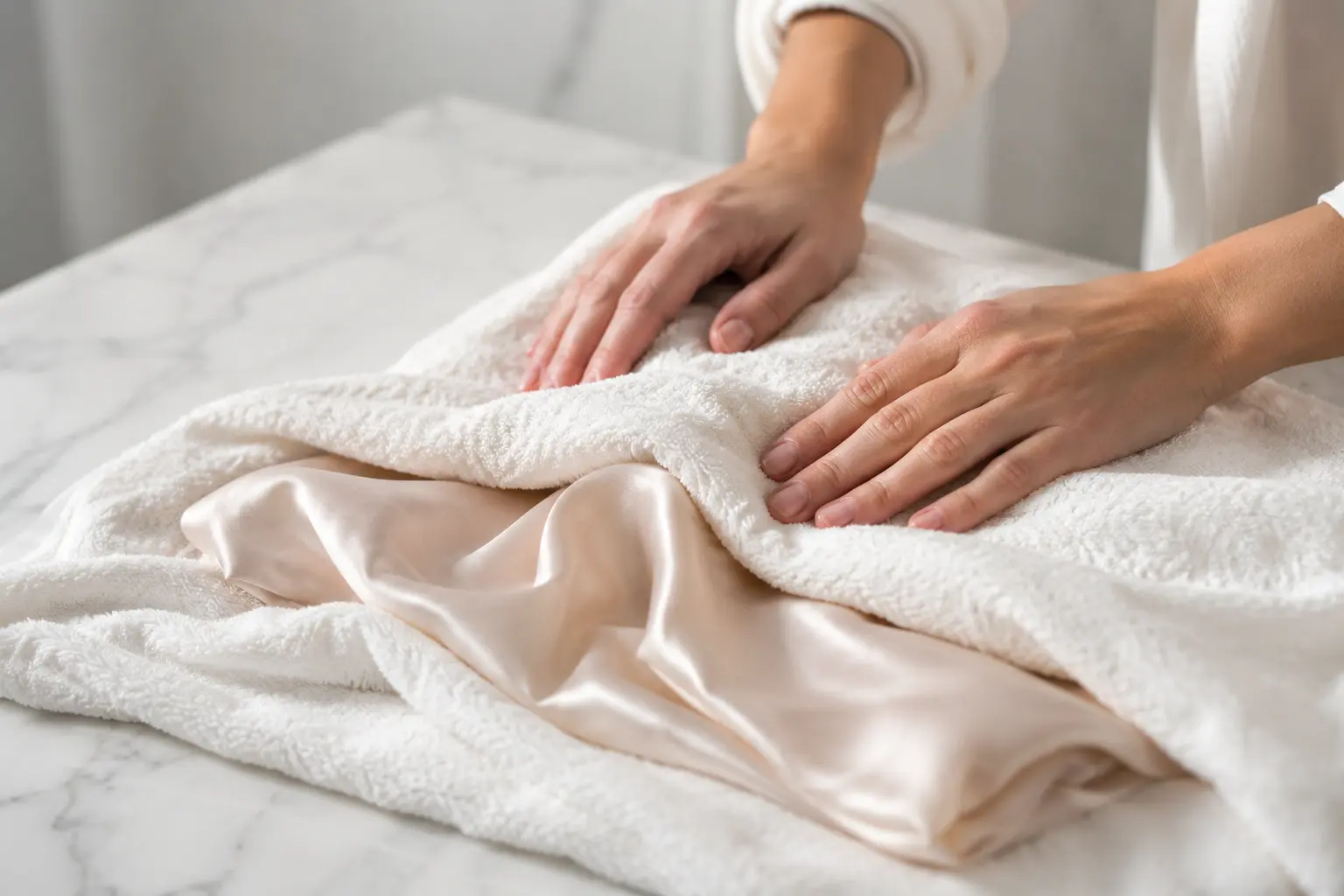
To remove extra water, press the silk gently between clean towels.
Lay the silk item flat on a towel. Roll the towel lightly to absorb water. Then unroll it and reshape the item before drying.
This is safer than wringing. Wringing can stretch seams, damage rolled edges, or create hard wrinkles that are difficult to remove.
Step 7: Dry Silk Away from Direct Sun
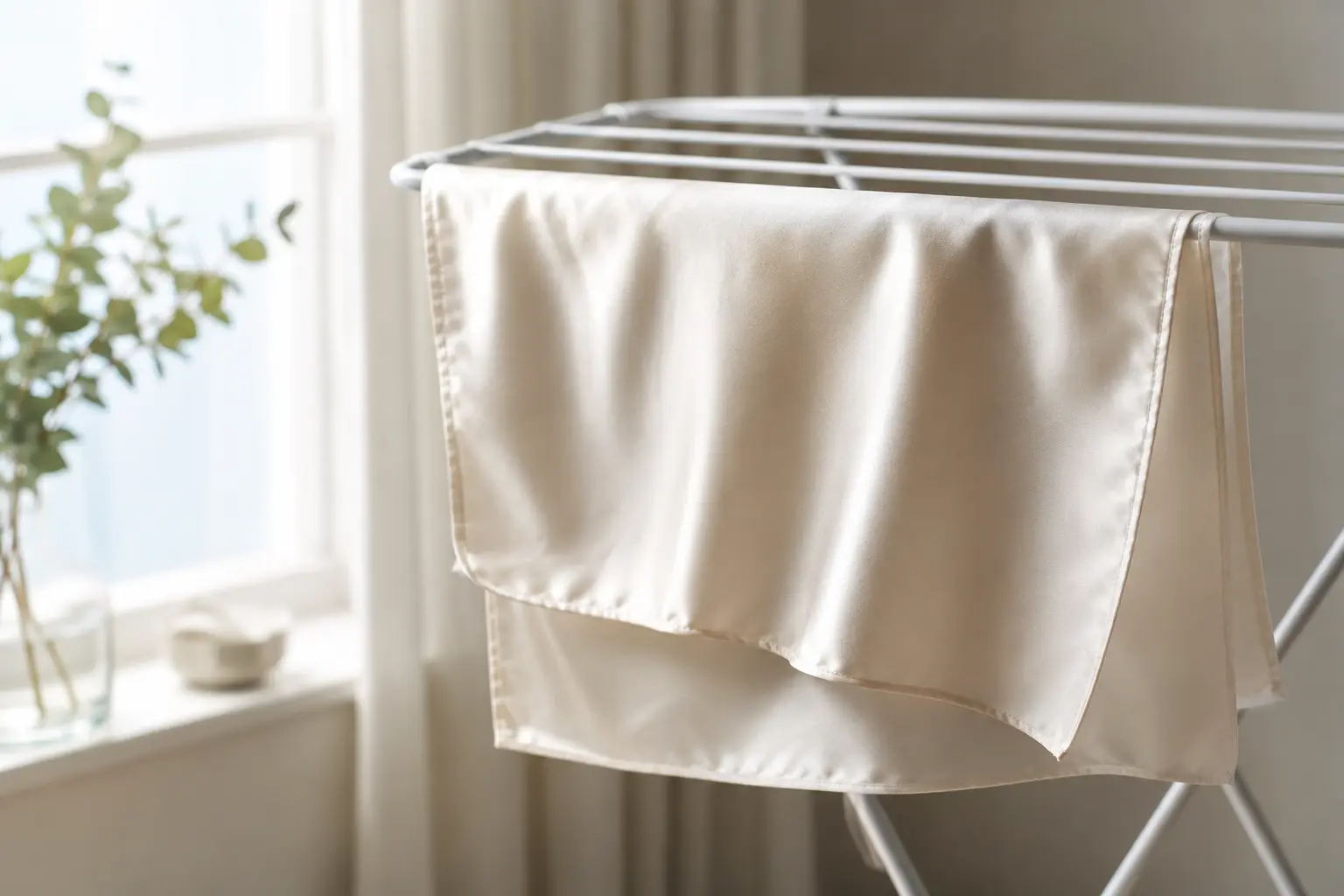
Dry silk in shade with good airflow. Direct sunlight can fade color and make silk fiber more fragile over time.
For scarves, lay flat or hang carefully so the edge does not stretch. For pillowcases, reshape the corners before drying. For sleepwear, use a smooth hanger and avoid pulling the garment out of shape.
Do not tumble dry silk unless the care label clearly allows it. Heat and tumbling can damage the surface and change the fit.
Can Silk Be Machine Washed?
Some silk items can be machine washed only if the care label allows it. Even then, machine washing is usually riskier than hand washing.
If machine washing is allowed:
- Use a mesh laundry bag.
- Choose cold water.
- Use a delicate or silk cycle.
- Use mild detergent.
- Wash with similar colors.
- Avoid heavy garments in the same load.
- Skip the dryer.
Machine washing is not a good choice for all silk items. Scarves with delicate edges, padded eye masks, embroidered pieces, and some printed items may need hand washing or dry cleaning.
For brands, care label wording should be conservative. It is better to give care instructions that reduce damage risk than to make washing sound easier than it is. Washing, drying, and after-wash appearance can also be recorded in a silk sample approval checklist before bulk production.
How to Handle Stains on Silk
Stains should be handled quickly, but not aggressively.
For fresh stains, blot gently with a clean cloth. Do not rub hard. Rubbing can push the stain deeper and disturb the fabric surface.
Avoid strong stain removers unless the product is tested for silk. Oil, makeup, perfume, and sweat marks can be difficult to remove from silk without affecting the fabric. For visible or expensive items, professional cleaning may be safer.
If you are a brand preparing care instructions, avoid promising that all stains can be removed at home. That promise is not realistic.
Washing Different Silk Products
Silk Pillowcases
Silk pillowcases are used often, so washing instructions matter. Hand washing is gentle, but many customers will want easier care. If machine washing is allowed, the care label should be clear about cold water, delicate cycle, mesh bag, and no tumble dry.
Before drying, reshape the corners and closure area. Zippers and envelope flaps should not be pulled while wet.
Silk Sleepwear
Silk sleepwear should be washed with attention to seams, cuffs, waistbands, and piping. Wet silk can feel more delicate, so avoid pulling the garment when removing water.
Dry on a smooth hanger or flat surface, depending on the garment weight and care label. Heavier silk sleepwear may stretch if hung while too wet.
Silk Scarves
Silk scarves need careful edge handling. Do not twist the scarf after washing. For hand-rolled or machine-hemmed edges, reshape the scarf gently while damp.
Printed scarves should be washed with extra care, especially when they have dark backgrounds, contrast borders, or detailed artwork.
Silk Eye Masks
Silk eye masks often include filling, elastic, and adjusters. These parts may react differently to water.
If the care label does not allow washing, do not soak the mask. Spot cleaning or professional cleaning may be safer. If washing is allowed, avoid twisting and dry it flat.
Silk Scrunchies
Silk scrunchies include elastic inside the fabric. Do not soak them for too long. Long soaking can affect the elastic or make drying slower.
Press out water gently and dry in shade. Do not stretch the elastic while wet.
Common Washing Mistakes
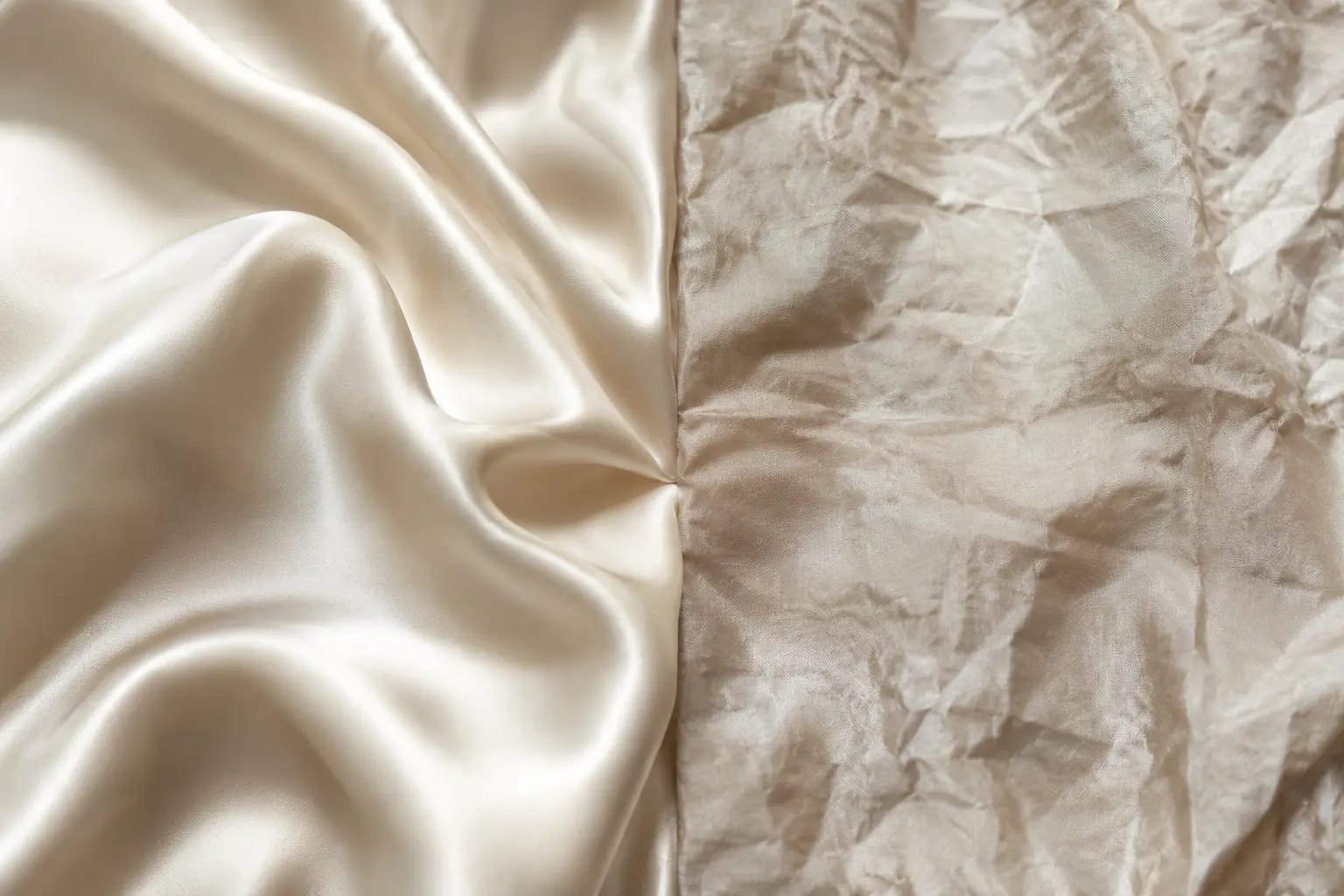
The first mistake is using hot water. Heat can affect hand feel, color, and shape.
The second mistake is using regular strong detergent. Silk needs a gentler detergent than cotton towels or sportswear.
The third mistake is wringing. Twisting silk can create hard wrinkles and distort seams.
The fourth mistake is drying in direct sun. Sunlight can fade color and weaken silk over time.
The fifth mistake is ignoring trims and construction. A simple silk fabric swatch and a finished product with zipper, filling, or embroidery do not wash the same way.
What If Silk Feels Stiff After Washing?
If silk feels stiff after washing, the water may have been too hot, the detergent may have been too strong, or detergent may not have been rinsed out fully.
Try rinsing the item again in cool clean water. Do not add strong softener unless the care label allows it. Dry the item in shade and press carefully on low heat if needed.
If the surface looks damaged, shiny in patches, faded, or rough, the change may not be fully reversible. If stiffness is linked to fabric weight or density, compare 19 momme and 22 momme silk before choosing the next production fabric.
A Simple Safe Washing Routine
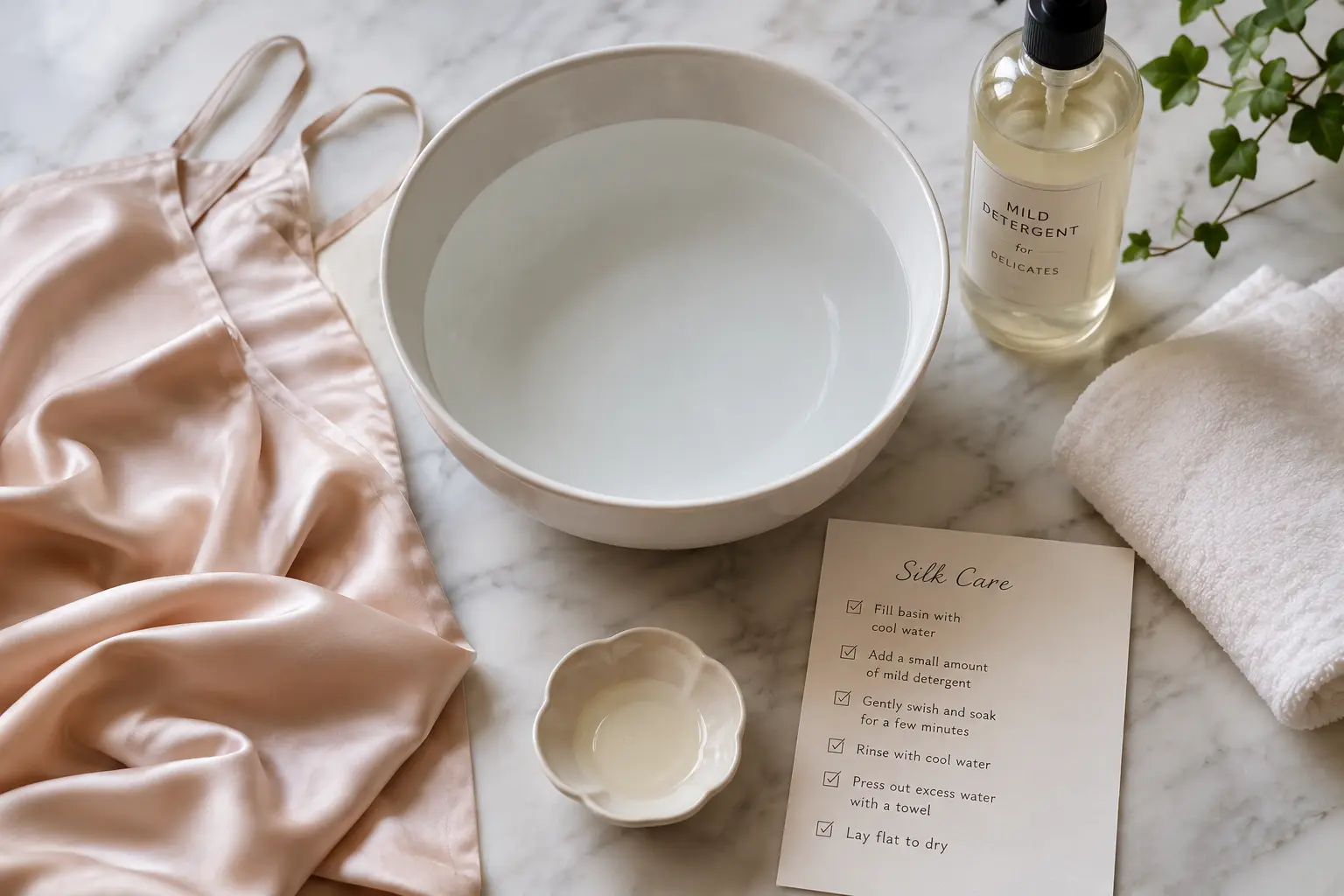
For washable silk, a simple routine is usually enough:
- Check the care label.
- Use cool water.
- Add mild detergent.
- Wash gently by hand.
- Rinse fully.
- Press water out with a towel.
- Dry in shade.
- Iron on low heat from the reverse side if needed.
This routine will not fit every silk product, but it is a safer starting point than hot water, strong detergent, and machine drying.
Closing
Silk care is mostly about avoiding the things that damage the surface: heat, harsh detergent, rubbing, twisting, and strong sun.
Use cool water, mild detergent, short washing time, and shade drying. Avoid bleach, heat, rough rubbing, wringing, and tumble drying. For structured items, padded items, dark colors, prints, or delicate trims, follow the care label carefully.
When in doubt, test first or choose professional cleaning. For private-label silk products that need conservative care wording, contact the WiseSilk team with product type, fabric, print, and trim details.
Author note: Written by the WiseSilk factory team, based on common silk care questions we see from buyers preparing pillowcases, sleepwear, scarves, eye masks, and gift products.