WiseSilk logo
WiseSilk
Mulberry silk material options for custom manufacturing

Silk Material Options for Custom Products

Compare silk types, weaves, and weights to choose the right material for your brand.
  • ✓ Grade 6A Mulberry Silk
  • ✓ Factory Guidance for Brands
  • ✓ Complimentary Material Samples
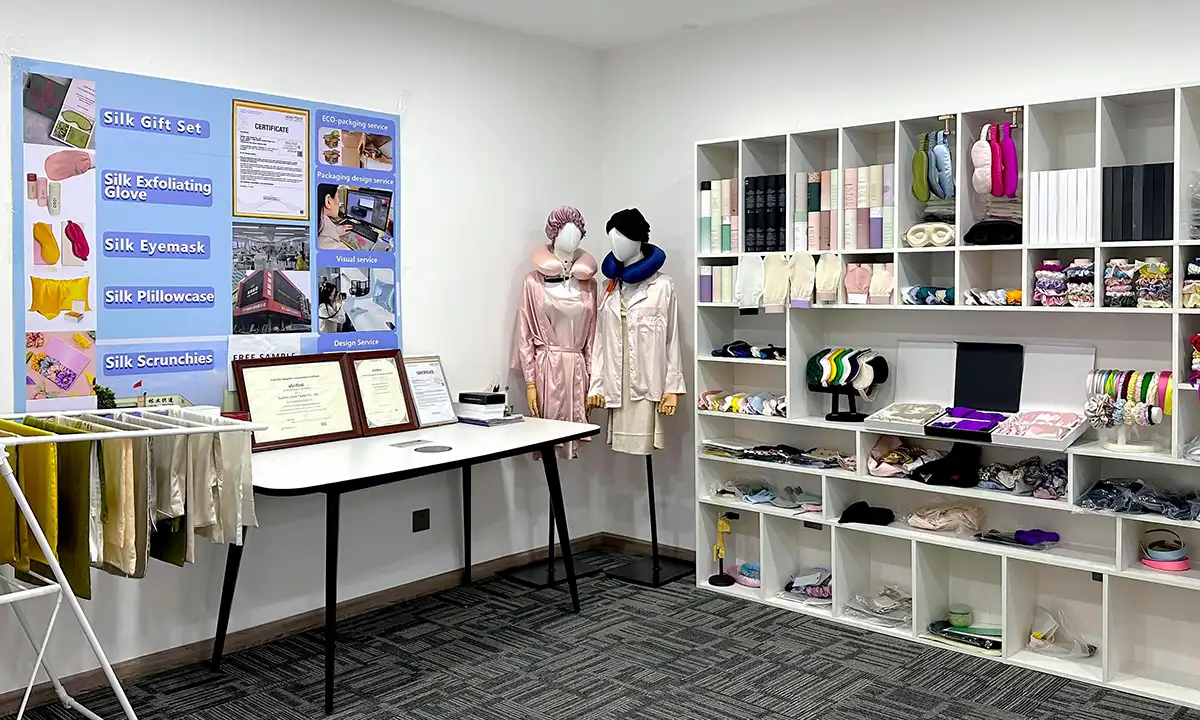
Silk material samples for selection and comparison

Why Silk Material Selection Matters

Choosing the right silk material affects the final product’s hand feel, durability, appearance, and cost.
For brands and corporate projects, material decisions directly influence customer experience and long-term value.

Our Available Silk Materials

A complete overview of silk fiber types, weaving methods, and fabric specifications for custom manufacturing.

Mulberry Silk (Grade 6A)

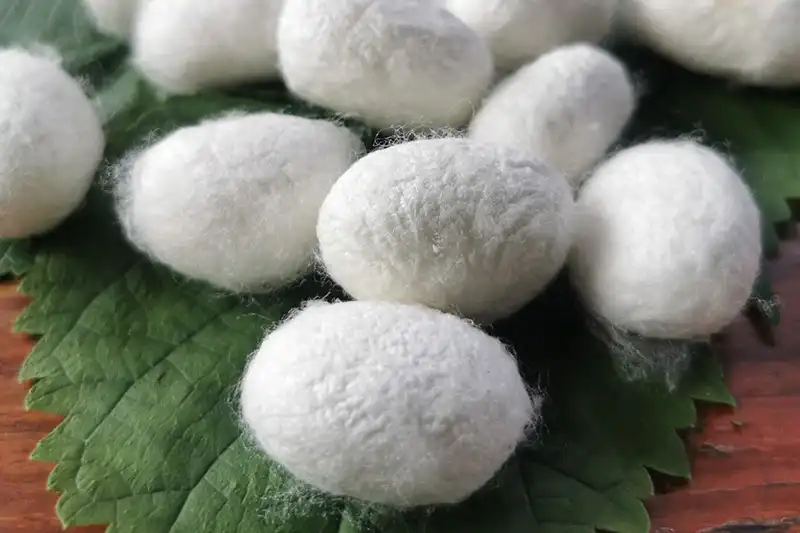
Mulberry silk is the highest grade of natural silk fiber, known for its long fiber length, smooth surface, and superior durability. It is widely used for premium custom silk products.
  • 100% natural mulberry silk fiber
  • Longer fiber length for smoother hand feel
  • Excellent durability and skin comfort
  • Used for premium scarves, pillowcases, and sleepwear
Grade 6A mulberry silk material structure and quality
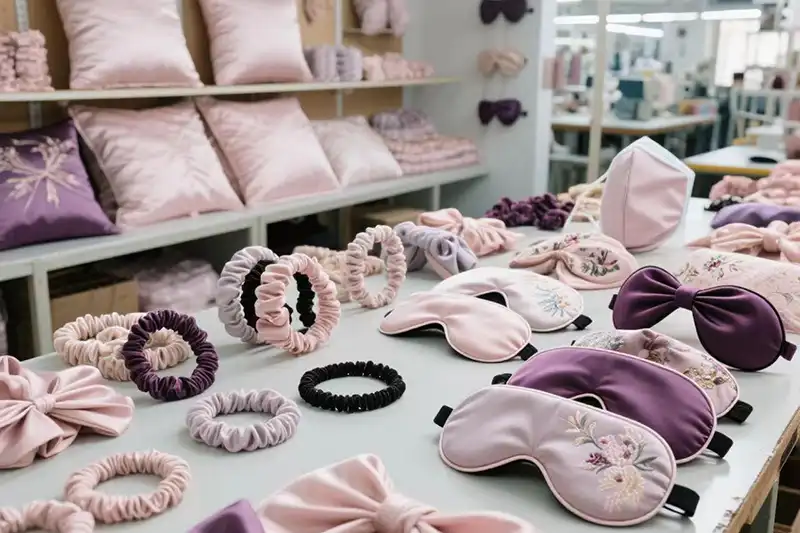
Different silk weave types and fabric textures

Silk Weave Types

Different weaving methods create distinct textures, appearances, and performance characteristics. Choosing the right weave is essential for both design and functionality.

  • Silk Satin: Smooth, glossy — ideal for scarves and pillowcases
  • Silk Twill: Structured, matte — popular for fashion scarves
  • Silk Chiffon: Lightweight, sheer — suitable for shawls
  • Silk Crepe: Soft, textured — commonly used for apparel

Silk Momme Weight Options

Momme weight indicates the density and durability of silk fabric. Different weights are suitable for different product applications.
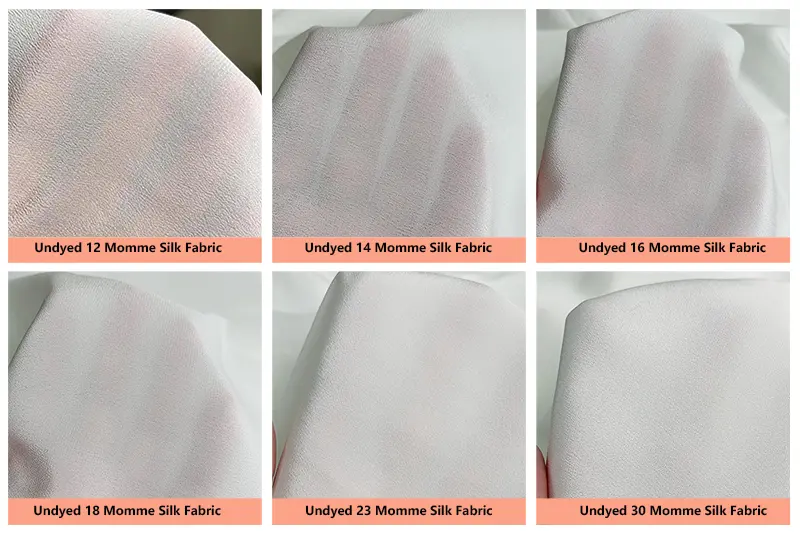
  • 12–14 momme: Lightweight, fashion-focused
  • 16–18 momme: Standard balance of softness and durability
  • 22 momme: Premium weight with enhanced durability
  • 30 momme: Ultra-luxury for bedding and hospitality
View detailed momme comparison →
Silk momme weight comparison and fabric thickness
Sustainable and blended silk fabric options

Blended & Sustainable Silk Options

For brands with sustainability goals or specific cost requirements, we offer blended and eco-conscious silk fabric options.

  • Silk + cotton blends for improved breathability
  • Silk + viscose blends for cost efficiency
  • Recycled or eco-certified silk materials available

Need Help Choosing the Right Silk?

Share your product idea and target market. Our team will recommend the most suitable silk material.

Get Material Recommendation

Material Options FAQs

Answers to common questions about silk materials, weaves, and specifications.

We offer a wide range of silk materials, primarily based on 100% Grade 6A mulberry silk. Available fabric types include silk satin, silk twill, silk crepe, silk chiffon, silk habotai, and silk charmeuse. Each fabric differs in texture, drape, appearance, and performance, allowing brands to choose the most suitable option for their product design and end use.
Silk satin features a smooth, glossy surface and elegant drape, commonly used for scarves and pillowcases.
Silk twill has a structured feel with a subtle diagonal weave, making it popular for fashion scarves and printed designs.
Silk crepe offers a soft texture with a slight grain, often chosen for apparel and sleepwear where comfort and movement are important.
Momme weight indicates the density and durability of silk fabric.
12–14 momme is lightweight and suitable for fashion-focused products.
16–18 momme offers a balanced combination of softness and durability.
22 momme is considered premium and long-lasting, ideal for pillowcases and luxury items.
30 momme is ultra-luxury, commonly used for silk bedding and hospitality projects.
Yes. Mulberry silk is widely regarded as the best option for skin-contact products due to its long fiber length, smooth surface, and natural protein structure. It is commonly used for pillowcases, sleep masks, sleepwear, and beauty-related silk products where comfort and skin friendliness are essential.
Yes. In addition to pure silk fabrics, blended and sustainable options are available upon request. These include silk-cotton blends for improved breathability, silk-viscose blends for cost efficiency, and eco-certified or recycled silk options for brands with sustainability and ESG requirements.