
What Brands Should Know Before Starting a Custom Silk Project
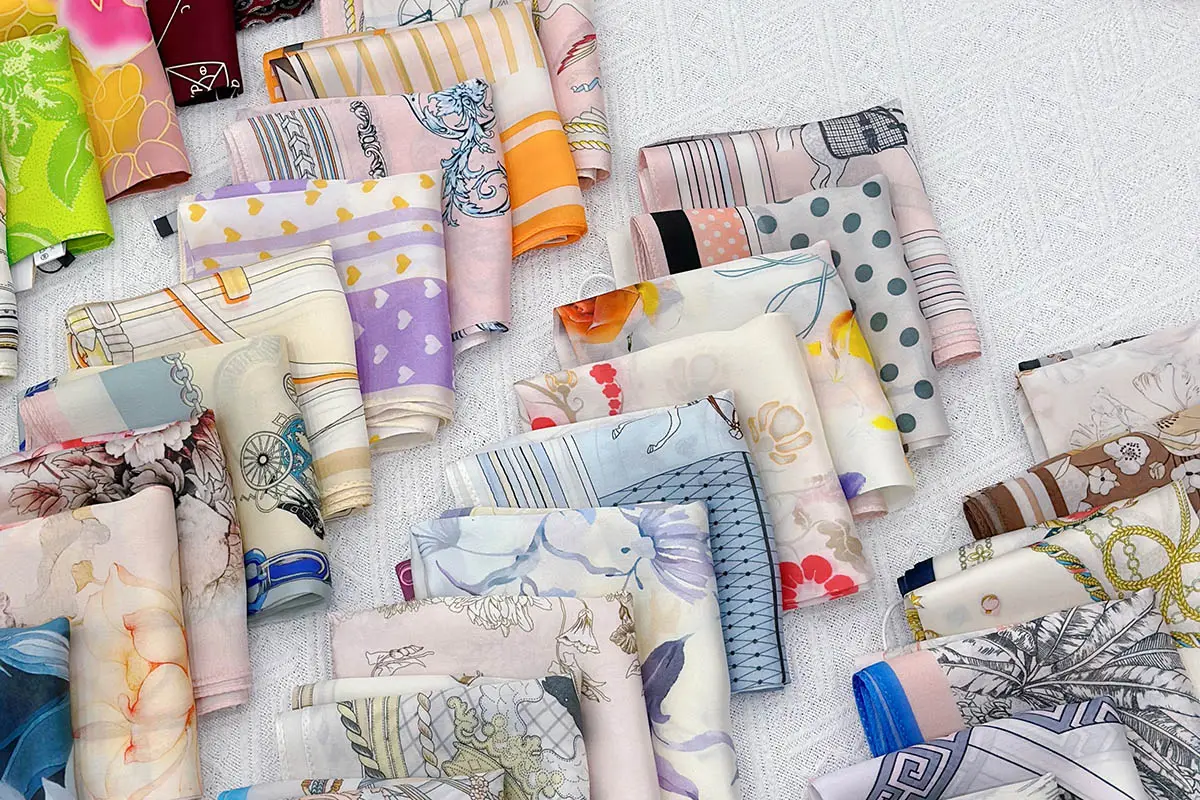
Over the years, we’ve received many inquiries from brands that want to develop custom silk products.
At the beginning, most questions are very practical: what counts as “real silk”, what MOQ is realistic, how long sampling takes, whether Pantone can be matched, and what happens if bulk production shows issues.
This page is our factory-side explanation of how we usually run a custom silk project. If you want the short version of the workflow first, read How It Works.
- Confirm silk grade + momme + fabric structure before quoting.
- Sampling is where color, shrinkage, and hand-feel risks get caught early.
- Quality control is a process, not a final checkpoint.
1. Not All “Silk” Is the Same
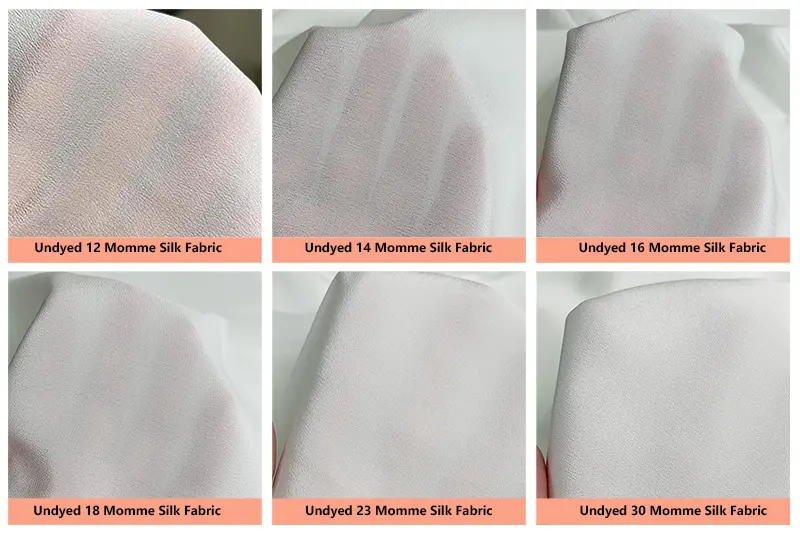
When buyers say “silk”, they often mean different things.
For production, we usually confirm:
- Mulberry silk grade (commonly 6A)
- Momme weight (12 / 16 / 18 / 22)
- Fabric structure (satin or twill)
Momme affects thickness, durability, and cost. For example, 22 momme silk is noticeably heavier and more durable than 16 momme. If your team is comparing weights, keep one reference page bookmarked: Momme Options.
Before pricing anything, we always confirm this first. Otherwise, quotations can’t be accurate.
2. Sampling Is More Important Than Many Buyers Think
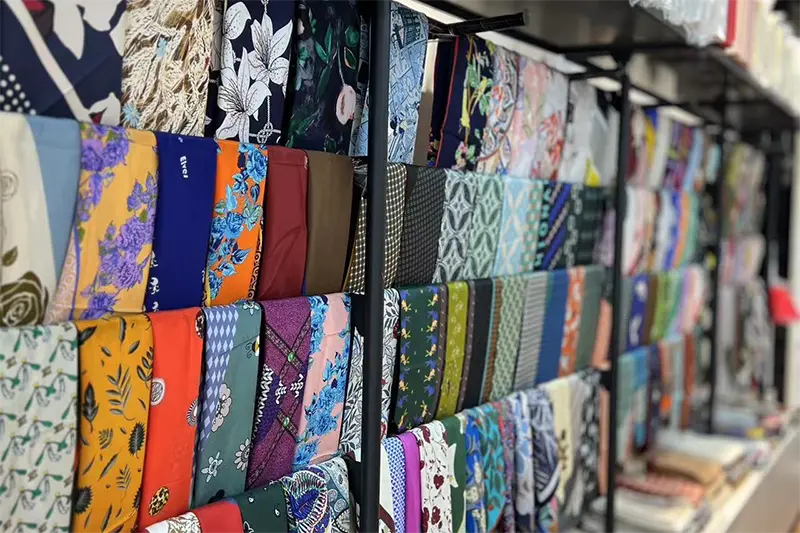
A serious silk project always starts with sampling.
- Sample time: around 7 days
- Pantone color confirmation is required
- Artwork should be in vector format
Digital printing today is stable, but silk can react differently depending on dye set, steaming, washing, and even base fabric batch. Sampling is where we lock the expected color and hand-feel before bulk production.
Skipping sampling to save time often creates more problems later.
3. MOQ and Production Time
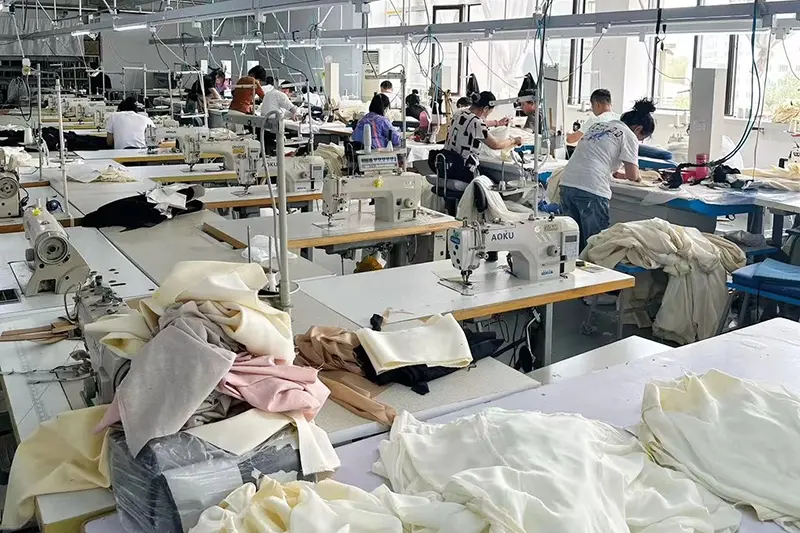
For custom silk items, MOQ depends on product type and printing method.
- Small trial quantities are possible
- Bulk production usually takes around 20–25 days
- Production time is longer during peak season
Silk requires more careful handling, especially during hemming and finishing, so lead time is not only about printing speed.
4. Printing and Finishing
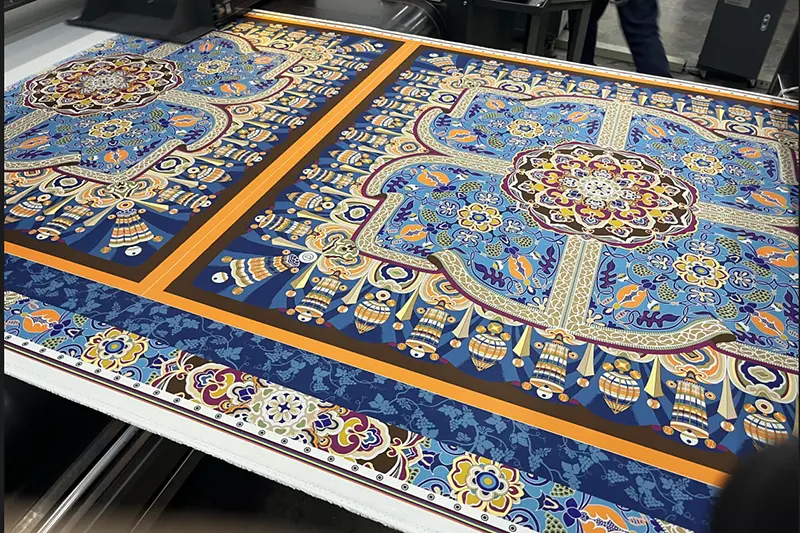
For custom silk scarves and pillowcases, we typically use reactive digital printing. If your designer needs file and color notes, point them to Printing Guidelines.
- Fabric inspection
- Printing
- Steam setting
- Washing and drying
- Cutting
- Hemming
- Final quality check
Each step matters. If color fastness or shrinkage is not controlled well, the final product will not meet expectations.
5. Quality Control Is Not Just One Step
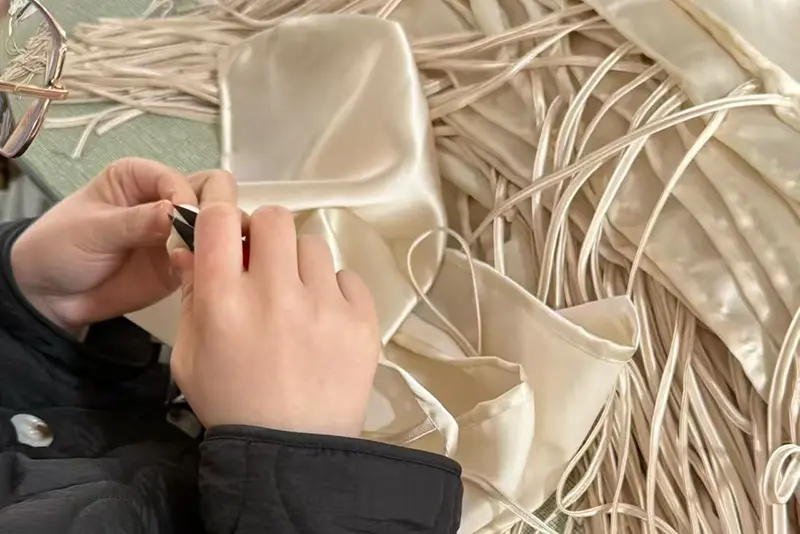
- Fabric surface defects
- Color consistency
- Size tolerance
- Stitching alignment
- Packaging accuracy
Quality control runs throughout production, not only at the end.
6. Why Communication Matters
Many silk production issues do not come from manufacturing. They come from unclear specifications.
- Exact size
- Momme weight
- Edge finishing type
- Label position
- Packaging details
When specifications are clear, production becomes straightforward.
Closing
Custom silk is not complicated, but it requires clarity and patience.
If you are planning a silk project for your brand, defining requirements clearly before sampling makes the entire process smoother.
If you have practical questions about silk specifications, printing, or MOQ, feel free to contact us.